1.Introduction to Coolant Temperature Sensor (ECT)
Definition of ECT
The Coolant Temperature Sensor (ECT) is like the temper ring of your automobile but as opposed to shades, it tells your engine how hot or cold to experience. it is a sensor that measures the temperature of the engine coolant.
Role of ECT in Engine performance
Think about the ECT as the engine's private thermometer. It enables alter the temperature of the engine, making sure it does not throw a hot (or cold) mood tantrum at the same time as you are on the road.
2.Function and Importance of ECT in a Vehicle
Regulating Engine Temperature
The ECT plays a essential function in keeping your engine on the choicest temperature. It allows prevent your engine from overheating or running too bloodless, making sure smooth operation.
Optimizing Fuel Efficiency
By offering your automobile's laptop (ECU) with correct temperature statistics, the ECT facilitates optimize fuel efficiency. It ensures the engine operates on the right temperature for most excellent performance and mileage.
3. How ECT Works: Monitoring Engine Temperature
Sensor Location and Operation
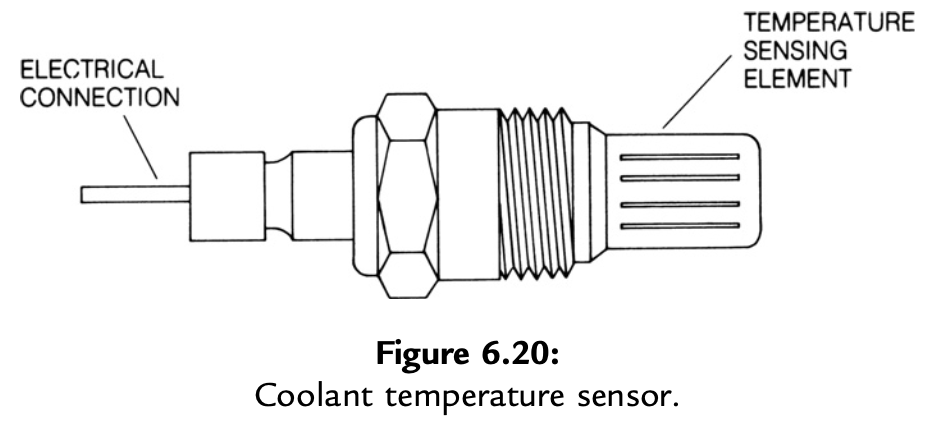
The ECT is usually located near the engine thermostat and uses electrical resistance to measure coolant temperature. It sends this data to the ECU, which adjusts fuel injection and ignition timing accordingly.
Communication with Engine Control Unit (ECU)
The ECT and ECU have a constant chat going on about your engine's temperature. The ECT sends real-time updates to the ECU, allowing it to make on-the-fly adjustments to keep everything running smoothly.
4. Signs of a Faulty ECT and Common Symptoms
Erratic Temperature Readings
In case your ECT is on the fritz, you may see wild temperature swings for your gauge – from ice-bloodless to boiling hot in seconds. This could indicate a faulty sensor that needs attention.
Check Engine Light Activation
A misbehaving ECT can trigger your automobile's take a look at engine light to come back on. it is like your car's manner of saying, "howdy, some thing's not proper with the engine temperature – better get it checked out!"
And there you have got it – the lowdown at the Coolant Temperature Sensor (ECT) and its essential role on your vehicle's performance. keep an eye for your engine temperature and concentrate to what your vehicle is telling you – it would just prevent a breakdown down the road!
5. Diagnostic and Testing Methods for ECT Problems
Using OBD-II Scanner for ECT Diagnosis
Whilst dealing with ECT problems, using an OBD-II scanner can provide treasured insights. By way of scanning for error codes related to the coolant temperature sensor, you can pinpoint ability issues and take essential moves.
Resistance Testing of ECT
Another way to check the ECT is through resistance checking out. This entails measuring the sensor's resistance at special temperatures to make sure it's functioning successfully. By means of evaluating the readings to producer specifications, you could decide if the ECT is defective.
6. Replacement and Installation of ECT
Steps for ECT Replacement
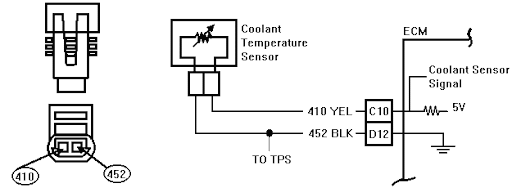
If your ECT is malfunctioning, replacing it is crucial for optimal engine performance. To replace the ECT, locate the sensor, disconnect the wiring harness, remove the old sensor, and install the new one. Following manufacturer guidelines is key to a successful replacement.
Proper Installation Techniques
When installing a new ECT, ensure it is securely in place and the wiring harness is properly connected. Pay attention to torque specifications to prevent overtightening or undertightening. Proper installation is essential for accurate temperature readings and efficient engine operation.
7. Importance of Maintaining Proper Coolant Levels for ECT Efficiency
Maintaining proper coolant levels is vital for the efficiency of the ECT. Coolant acts as a medium for heat transfer and helps regulate engine temperature. Low coolant levels can lead to inaccurate readings by the ECT, potentially causing overheating or other issues. Regularly checking and topping up coolant levels ensures the ECT functions optimally, promoting engine health.In conclusion, the Coolant Temperature Sensor (ECT) is a small yet critical component that plays a significant role in the smooth operation of a vehicle's engine. By being aware of the functions, signs of malfunction, and maintenance practices related to the ECT, car owners can ensure their vehicle runs efficiently and reliably. Regular inspection, prompt diagnosis of issues, and proper maintenance of coolant levels are key to maximizing the performance and longevity of the Coolant Temperature Sensor in any vehicle.
 Paul George
Richard Electronics guest author, a Mechatronics engineer and a professional researcher, designer, developer and manufacturer for 3d Cad and PCB. I believe in efficiency, effectiveness and quality of work, and my aim is to provide complete one-roof solutions to complex mechanical and electrical design systems. I have a well-equipped lab with state-of-the-art technology for doing research and providing.


06 June 2026

07 May 2026
17 April 2026

02 April 2026

02 April 2026