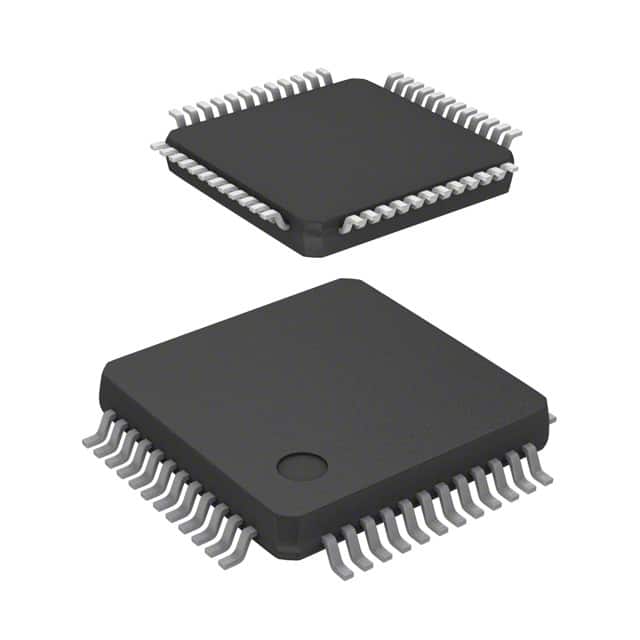
Introduction to Resistors
These small and unassuming components help control the flow of electric current in all types of gadgets, appliances, and machines. They operate much like valves do in a plumbing system. Instead of stopping or slowing the flow of water, however, they do the same thing with electricity.
Resistors come in a wide variety of sizes, shapes, and materials each designed to perform a specific function. As you explore the different types of these common components below, and learn more about how they actually work, you will come to recognize how indispensable they are to every single electronic thing that people use every day.
Types of Resistors
A full list of resistor varieties would include a huge number of specific options. The following represents some of the more common that are used in electrical equipment and everyday devices.
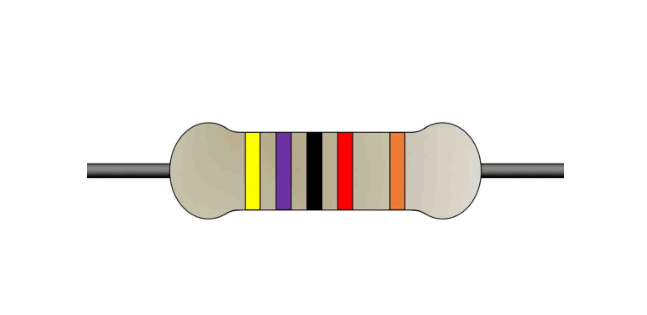
Fixed Resistors
Fixed types are the most commonly used today and are found on a huge array of components and products. They continuously restrict and control the flow of electricity between components or circuits.
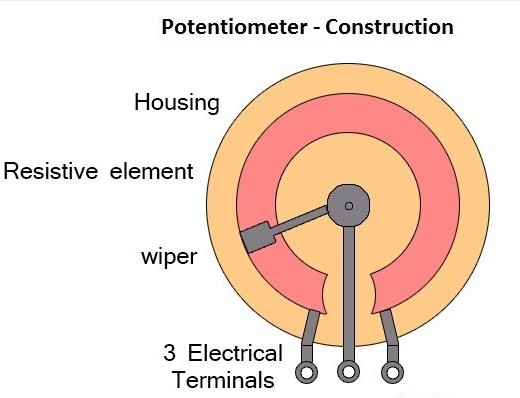
Variable Resistors
This type of electrical component has adjustable resistance variables. This happens through linear or rotary mechanical movement, although some can be controlled electronically from a distance. Their primary uses involve controlling current and dividing electrical power to multiple combined circuits.
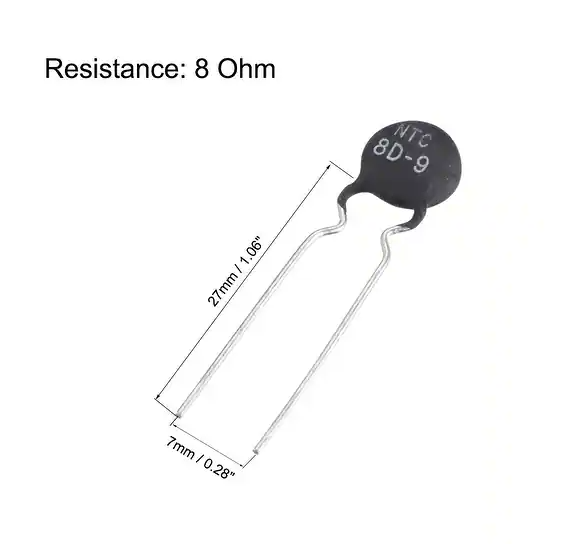
Non-Linear Resistors
These are also called varistors because they have variable function dependent on the electrical voltage nearby. These are frequently used in surge protectors as they can limit the electrical flow if the voltage grows too great.
Other specific types of resistors exist including those that are light dependent (photoresistors), temperature dependent (thermistors), or related to magnetic field measurements (magneto-resistor). When describing different varieties, resistors are also classified by material and construction. There are carbon and carbon composite ones, film resistors, and wire wound options.
How Resistors Work
As mentioned above, resistors work like valves for electrical current instead of fluids. Electricity in every type of machine, or piece of equipment flows in circuits. Resistors are placed at strategic points in those circuits in order to slow down its transfer, split it into different circuits, or do other things like stop it entirely or increase access when triggered by a specific stimulus like heat or light.
The main resistor is extremely appropriate for these tiny components. They manage the resistance of the specific spot in the circuit to make it harder for electricity to flow through. How does this actually work? Resistance is measured in something called ohms. Electricity is often measured in voltages. When voltage is applied to a resistor, the electron particles encounter resistance as they go through the material. This converts the extra electrical energy into heat, which is one of the major reasons why a device will get warmer if used excessively.
This simple process occurs in the most basic types of resistors. Things like thermistors or photoresistors only operate as intended when exposed to their specific stimulus: heat or light. There are also ones that are controlled externally to provide even more precision results.
Applications of Resistors
As mentioned in the introduction, resistors are one of the most common electrical components found in most machines, gadgets, computer devices, and more. They are integral to the automotive, medical, power production, and industrial sectors. Explore these options to better understand how important they are to the modern world.
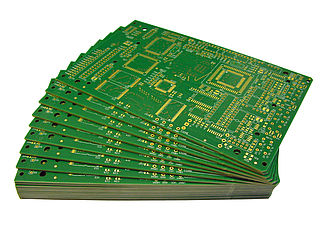
Printed Circuit Boards (PCBs)
On PCBs, many resistors work together to allow the appropriate function for the device they are attached to. They commonly divide, limit, and redirect voltage based on signal conditioning and other factors. For example, voltage divider circuits may use a resistor to split the electrical current between two different parts of the circuit, which provides precise control over the circuit board’s function. Resistors can also help maintain necessary voltage levels, amplify them when needed, and increase performance overall.
Consumer Electronics
Almost every single electric product on the market today has onboard resistors. It does not matter whether you pick up a hairdryer in the morning after your shower or grab a handheld game for your child. Resistors serve diverse functions to ensure optimal performance without problems. They help control audio, LED bulb brightness, and all the practical functions of the device. Resistors also play an important role in making sure the product is safe and does not overheat or become dangerously electrified. In the highly regulated realm of consumer products, manufacturers must choose the best possible resistors to create high quality options for their customers.
Telecommunications Gear
From your everyday smart phone to the massive equipment that powers and controls telecommunication networks across the country and around the world, the humble resistor plays a vital role. These indispensable components help ensure a seamless transmission of data and signals across long distances. They help filter interference, optimize signal clarity, condition signals, and control line termination. Cellular base stations, simple modems, and even communication satellites orbiting the Earth all contain resistors.
Power Supplies and Management
The entire power grid could not function without resistors. The small parts that control how much electricity gets to every outlet and plug need these components to create a reliable and efficient distribution of energy. In power supplies, they work to regulate the circuits and minimize fluctuations. They are also integral in sensing circuits to monitor how much energy goes to each location. They also helped keep things safe.
Automotive Industry
The functionality, efficiency, and safety of all vehicles on the road depend on resistors for engine management systems, comfort features, and onboard entertainment. They perform duties like regulating fuel injection, ignition, and the recirculation of exhaust gas. They help you turn on your headlights or windshield wipers in the rain. They adjust fan speed on the heater or air conditioning, and let you play your favorite music on a road trip.
Medical and Healthcare Equipment
Resistors take on an extremely important role in the medical industry. These days, many important functions of everyday health, hospitalization, clinical research, and ongoing therapy rely on electronic equipment. Needless to say, these must be extremely precise, efficient, and reliable to protect the health and well-being of the patient. Resistors help physicians monitor vital signs like heart rate and temperature, make things like x-rays and MRIs possible, and perform essential roles in lifesaving equipment like ventilators and defibrillators.
Brief Introduction to Popular Resistor Manufacturers
Due to their omnipresence in all types of products and systems, there are many different resistor manufacturers all around the world. Some specialize in limited varieties while others produce multiple options. These companies represent some of the more popular companies producing resistors today.
· State-of-the-art Inc. – Since 1969 they have been supplying resistors to aerospace, defense, communications, and biomedical industries. They are headquartered in Pennsylvania.
· Mini-Systems (MSI) – With main offices in Massachusetts, they have produced thick and thin film resistors since 1968.
· Bourns Inc. – They produce a wide variety of resistors and other electronic components for automotive, power conversion, and sensing equipment.
· Vishay Inter-technology Inc. – This brand produces multiple types of resistors since their launch more than six decades ago.
· Net Source Technology – Globally recognized as a procurement service, they also produce electronic components of various kinds.
· Marsh Electronics Inc. – Since its launch in 1937, this US brand has offered resistors and other products to diverse industries.
· Panasonic – Not only a well-known brand, this worldwide provider also manufactures resistors and other components.
· TE Connectivity – Serving 140+ countries, this diverse company produces more than 236 billion products including resistors every year.
· Viking Tech Corporation – Although one of the youngest brands on this list, Viking has made its name as a source of multiple types of quality resistors.
Resistor manufacturers exist all over the world. Any company who needs to source these essential electronic components must do careful research to find the best option. There are plenty of smaller companies that specialize in specific resistor types as well.
Conclusion
Delving into the world of resistors demonstrates their vast importance and profound significance in all aspects of modern living. Now that you understand the various types, know how they work, and recognize a wide range of common use cases, you can better appreciate what role the tiniest resistor plays in your everyday life. They form the backbone upon which all electronic systems are built and control everything from complex medical devices to a simple handheld toy.
Resistors remain a crucial and diverse component that allows the functionality of countless devices we rely on every day. Everyone from large-scale manufacturers to custom product creators to everyday people with curiosity about the world around them can now understand the role that resistors play in our ever-evolving world of technology.
 Paul George
Richard Electronics guest author, a Mechatronics engineer and a professional researcher, designer, developer and manufacturer for 3d Cad and PCB. I believe in efficiency, effectiveness and quality of work, and my aim is to provide complete one-roof solutions to complex mechanical and electrical design systems. I have a well-equipped lab with state-of-the-art technology for doing research and providing.

06 October 2026

04 September 2026
05 August 2026
04 July 2026
06 June 2026