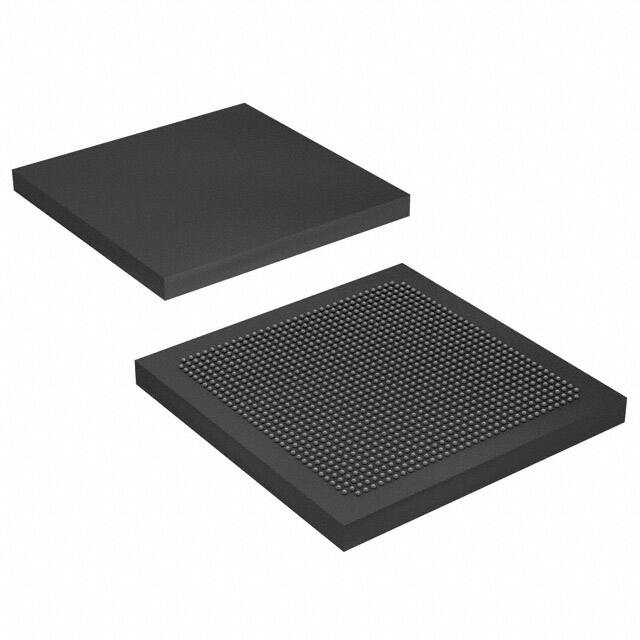
But before moving forward, first, have a look at how this industry is constantly revolutionizing the way we live and use technology.

What is the Role of Electronic Components in Today’s Life?
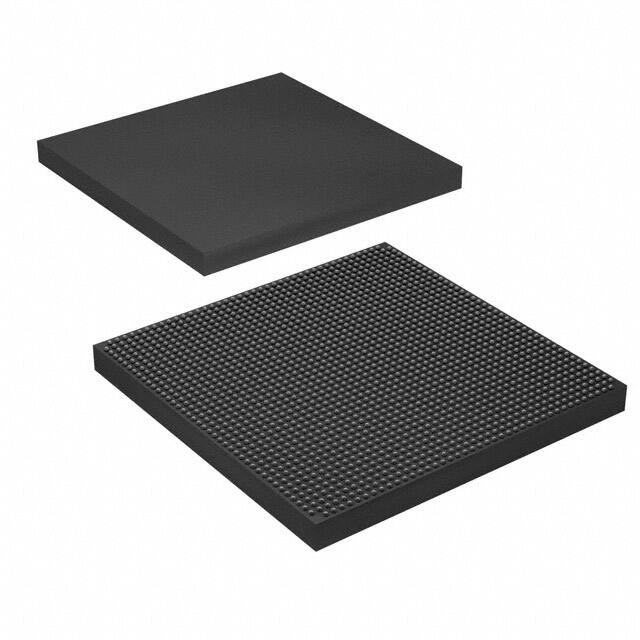
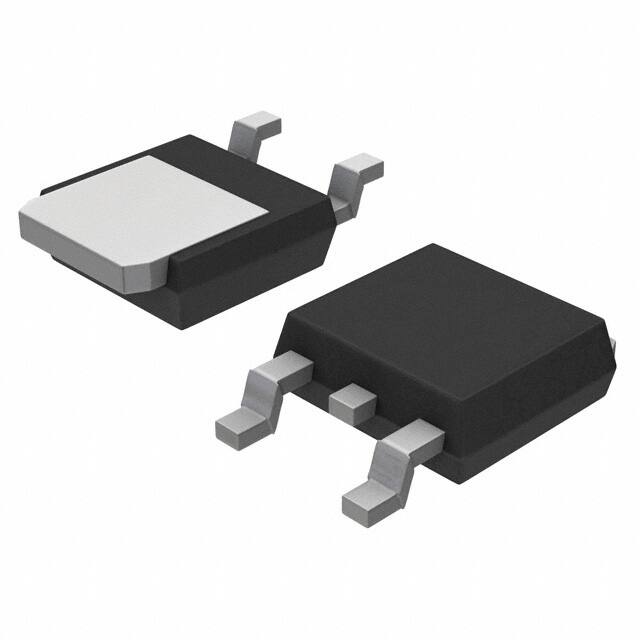
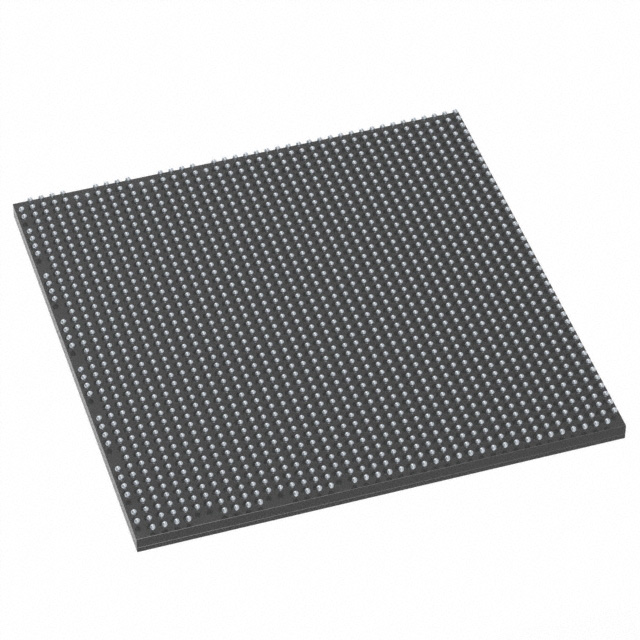
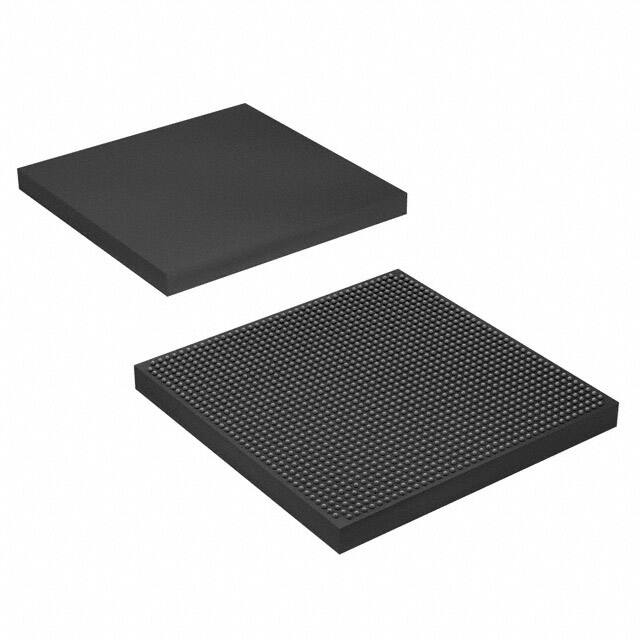
First of all, an electronic component can be defined as a fundamental element with terminals that allow it to be joined to other components to create functional devices, depending on the planned use. Since their introduction, electronic components have become essential to the performance of thousands of products, ranging from small household items to a military helicopter. In fact, the components like integrated circuits (ICs) are considered as the fundamental building blocks of the electronic devices we rely on daily, everything from our mobile phones and laptops to the vital medical equipment.
Electronic components are an important aspect for the efficient, safe, and reliable operation of aerospace applications. Whether it is aircraft, spacecraft, or satellite, these critical components are considered as an integral part to aerospace system’s overall design and performance. That’s not all; electronic components are known to be an important part of established and commonly used medical and industrial innovations all around the world. These electrical parts have a huge impact on the efficient productivity and precise control of various processes take place in these sectors.
Top 5 Futuristic Applications in Electronic Components Industry
You might be surprised to know that while these electrical components are evolving bigger in impact by becoming more powerful and efficient, they are also shrinking in size at the same time and growing smarter. Coming up next are some of the key applications and innovations that are pushing the boundaries for what is possible in electronic components industry and paving the way for a future where technology seamlessly integrates into our lives.
1) AI Chips
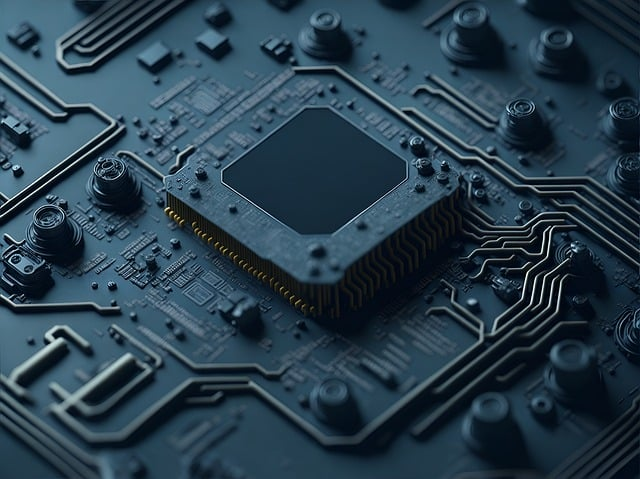
When we talk about the most influential innovations in human history, one name that has opened doors for numerous breakthroughs and further advancements is none other than the AI. With the remarkable progress in recent years and the development of specialized AI chips, this technology is even becoming better in performing complex algorithms with increased efficiency and tackling a variety of tasks associated with artificial intelligence workloads.
AI Chips are specially-crafted piece of hardware, which utilize parallel processing and matrix multiplication functions to revolutionize electronics and enhance devices with intelligent features and automation. The application of AI chips is not limited to any sector or field, and you can witness its power everywhere from smartphones to autonomous vehicles. These specialized ICs provide the high processing power required for AI applications in autonomous driving systems, which enables real-time object detection, decision-making, and sensor fusion for redefining transportation. If we talk about healthcare, the applications of AI chips are numerous and diverse that increases the efficiency and accuracy of diagnosis, improves patient outcomes, and reduces overall costs. Popular AI chip manufacturers currently on the market include Nvidia, Intel and AMD.
2) 5G Technology

The fifth generation of wireless communication technology, widely known as 5G, is invented with the aim to deliver faster and more reliable data transmission with low latency and increased network capacity. It has brought significant advancements for various sectors, including electronic components industry, and created new possibilities for manufacturers by providing access to data and automation to take their operations to the next level.
5G is helping automotive industry by enabling technology for the development of autonomous vehicles. Since taking real-time autonomous decisions within a fraction of sections is the key for autonomous vehicles, the low latency feature of 5G enables vehicles to receive information at turbo fast speed and take prompt actions that can avoid them hitting obstacles on the way. With the help of its high-speed data transfer capabilities, 5G technology can also be used to optimize infrastructure for making smart cities more efficient and sustainable.
3) Laser Radars

In simple words, laser radar can be defined as an advanced remote sensing system, which uses laser diodes to determine the distance to an object by comparing the time it takes for the outgoing wave or pulse to return to the source. Today, laser radars are often used in industrial automation, medical equipment, and environmental sensing.
The utilization of laser radars in robotics and automation has significantly elevated surveillance capabilities by enabling high-resolution scanning of surroundings and enhanced detection of objects at extended ranges. For environmental sensing, these radars help to ensure a safe and eco-friendly working environment by measuring air quality, aerosol concentration, and other environmental parameters.
4) Advanced Materials and ICs
It is safe to say that increased popularity and mass production of electric vehicles would never have been possible without the advancements in integrated circuits (ICs) and electronic components. The introduction of new and more efficient semiconductor materials, such as Silicon Carbide (SiC) and Gallium Nitride (GaN), have replaced conventional materials and internal combustion engines, which proved to be insufficient for EV applications.
In aerospace sector, integrating advanced ICs and power electronic components has significantly improved the sophisticated avionics systems found in modern aircraft. This unique arrangement of the advanced ICs and microchips enables crucial functions including communication, navigation, and data processing, which plays a vital role in the state-of-the-art technology utilized in aerospace applications.
5) Organic Electronics

Organic electronics is a new branch of electronics that uses organic materials to make circuits and other electronic chips, which have massive advantages over traditional or inorganic materials. The possibilities in this field are endless, as they are notably more cost-effective, flexible, optically transparent, and consume low power. Furthermore, the rise in global awareness of environmental issues attracts manufacturers to use safer and more abundantly available raw materials in order to promote sustainable development.
Organic electronics are used in consumer applications to create more energy-efficient and environmentally friendly gadgets. Manufacturers use these organic materials in displays, biomedicine, photovoltaic and transistor technologies. One of the many advantages of using organic material for the renewable energy sector is that the optical absorption coefficient of organic molecules is high, which means a large amount of light can be absorbed with a very small amount of material. This not only increases the overall efficiency of the renewable energy processes but also allows the users to integrate solar technology into various surfaces and environments.
Final Thoughts

No matter how far electronic components industry has come in terms of innovation and advancements, its evolution is far from over and will definitely going to progress enough in the years to come. As these advancements continue to evolve, electronic components manufacturers that embrace them will be better positioned to meet the demands of a rapidly changing market and drive new pathways for sustainability and enhanced functionalities across industries.
- 1.
Which AI chip manufacturers are currently the most popular on the market?
Nvidia, Intel and AMD.
 Paul George
Richard Electronics guest author, a Mechatronics engineer and a professional researcher, designer, developer and manufacturer for 3d Cad and PCB. I believe in efficiency, effectiveness and quality of work, and my aim is to provide complete one-roof solutions to complex mechanical and electrical design systems. I have a well-equipped lab with state-of-the-art technology for doing research and providing.


04 July 2026
06 June 2026

07 May 2026
17 April 2026
02 April 2026