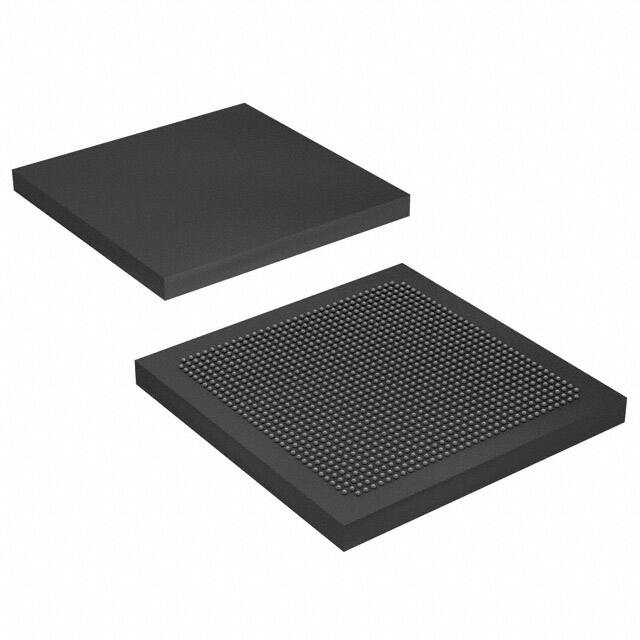
The Internet of Things, or IoT, refers to any electronic device that is remotely connected to the internet. The concept of connecting smart devices via internet communication to exchange real-time data is known as electronic systems and internet of things (IoT).
The basic building blocks of the Internet of Things are electronic components. Power supply, connectivity, sensors, data processing, and security are all key challenges addressed by the electronics industry. Electronic components designed for long-term use are critical to the dependability and longevity of any IoT device.
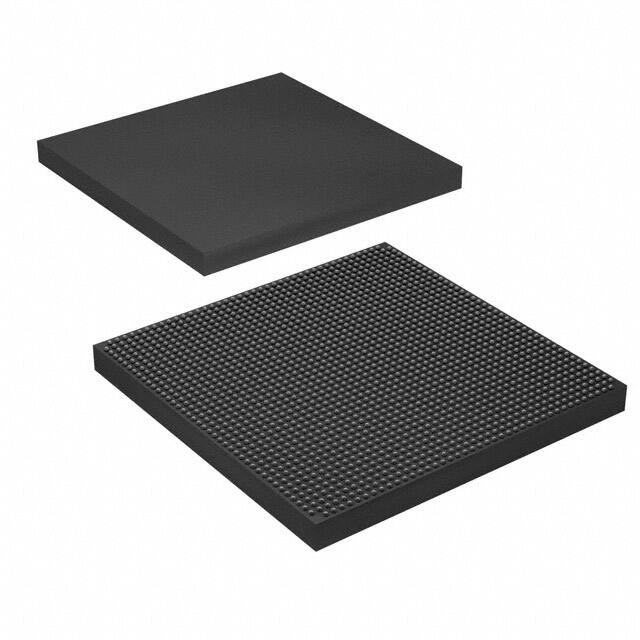
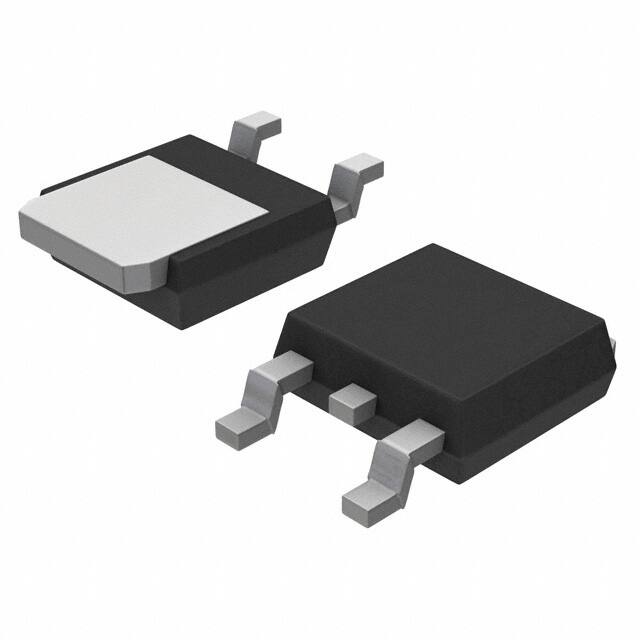
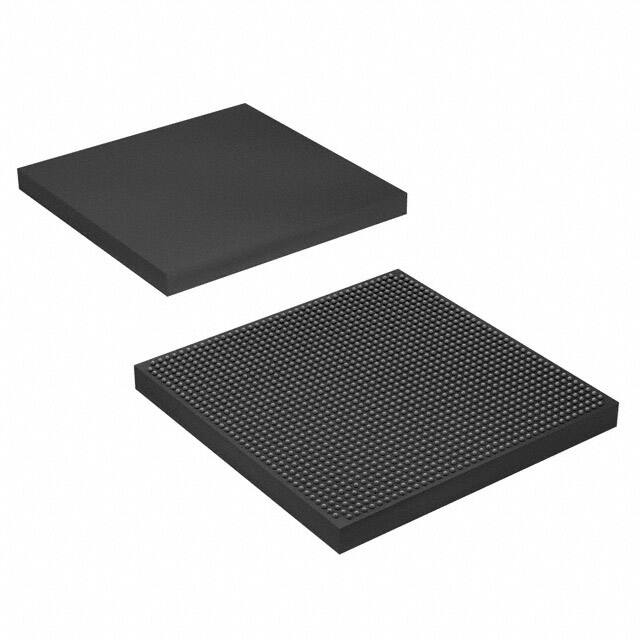
The Internet of Things allows smart gadgets to communicate with one another. Integrated circuits (ICs), printed circuit boards (PCBs), diodes, sensors, microcontrollers, accelerometers, and other electrical components are used in IoT equipment and devices. Other passive electronic components found in IoT devices and goods include capacitors, wirewound resistors, nichrome resistors, transformers, and discrete inductors.
Peoples rely on smart home products for their dependability and convenience. IoT components are becoming smaller as technology advances. Energy-efficient IoT components are critical for future growth. IoT is now being used in a variety of applications, including consumer appliances, industrial monitoring, automotive, environmental monitoring, health monitoring, smart cities and buildings, agricultural projects, and so on."
Many people look for smart home electronics with the following features:
· Connectivity
This is essential for an IoT device to function remotely. The ability to interact with home systems and electronics via the internet elevates convenience and sophistication to new heights.
· Voice Recognition / Facial Recognition
It is another significant feature in the category of hands-free technology. Consumers can connect to the internet; instruct their devices to perform tasks, change settings, and more without having to physically interact with their devices' keyboards or touch screens.

· Touch Screens
These have become the new technology interface design standard. Consumers are accustomed to touch screen technology in smart phones and tablets. When possible, smart home device design and engineering should incorporate this feature as well.
· Sensing Technology
It's also a common feature on smart electronics. Computers, smart phones, and cameras are frequently equipped with motion sensing capabilities. These features improve security, provide quick application/device response, and reduce energy waste.
We see a significant need for electronic and electromechanical components, such as sensors, connectivity modules, switches, and so on, as IoT enabled products evolve. Infrared grid eye sensors, for example, are used for occupancy detection i.e. detecting humans in a room to optimise air conditioning, PIR sensors for motion detection i.e. lighting applications, and PM 2.5 sensors for air quality monitoring i.e. air purifiers.
Batteries, sensors, capacitors, connections, tactile switches, and so on are all employedes.
The following are some of the most important electronic components used in IoT design.
1. Antennas
These are intended to receive and project electromagnetic signals from and to electronics. Antennas are a critical component of any IoT technology that requires communication with external equipment such as mobile devices.
in IoT applications, and it is critical to focus on miniaturising them to suit in future IoT use cas
2. Magnets Sensors
These are commonly required for the operation of many electronic devices. They are used to store data, power speakers and monitors, and are frequently an integral part of power generation. Magnetic sensors play a crucial part in IoT devices; therefore, understanding the strengths and weaknesses of these sensors is critical to building the best, most efficient/cost effective device.
3. Connectors
These are used to connect conductors in an electronic device so that an electrical circuit can be completed. Connectors are typically designed as either male or female to aid in the connection of one unit to another.
4. Switches and Buttons
These are the external physical interfaces that the majority of users use to control a device. They are made up of various components such as light switches, buttons on a remote, appliance controls, and so on.
5. Capacitors
Voltages can be stored and fluctuated between electrical components using these.
The demand generated by IoT is undoubtedly having a beneficial impact on the electronic component market. These electronic components are critical because they gather, process, and send real-world signals and data for IoT products and applications. This provides attractive prospects for component players while also indicating an exponential growth in component sales in the market in the approaching years. The demand for IoT sensors and other associated technologies is expanding globally as people become more aware of the value of IoT.
 Ling Tianhao
Ling Tianhao, with 20 years in R&D, has developed his skills at one of America's top ten chip manufacturers.His expertise goes beyond chip design and quality control, showing a strong understanding of PCB technology. His comprehensive knowledge of microchip and PCB technologies establishes him as a versatile professional in the semiconductor industry, driving advancements and solving complex problems.

04 July 2026
06 June 2026
07 May 2026
17 April 2026
02 April 2026