Whether you're managing a manufacturing plant, maintaining critical infrastructure, or optimizing your production line, the question isn't whether equipment will fail—it's when. This is where vibration sensors become your first line of defense against costly mechanical failures.
If you've noticed unusual sounds from your machinery, experienced unexpected breakdowns, or simply want to implement predictive maintenance strategies, understanding vibration sensors is essential. These remarkable devices act as the "ears" of your equipment, detecting subtle changes in mechanical motion long before visible damage occurs.
This comprehensive guide will walk you through everything you need to know about vibration sensors—from their basic operation to advanced selection criteria. Whether you're an engineer, maintenance manager, or technical decision-maker, you'll discover how these sensors can transform your maintenance approach and save your organization significant costs.
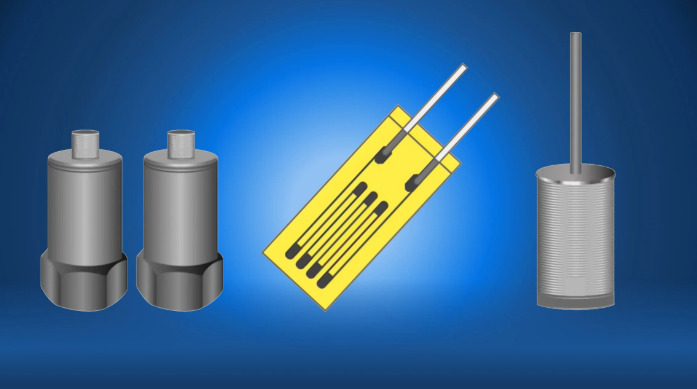
What is a Vibration Sensor?
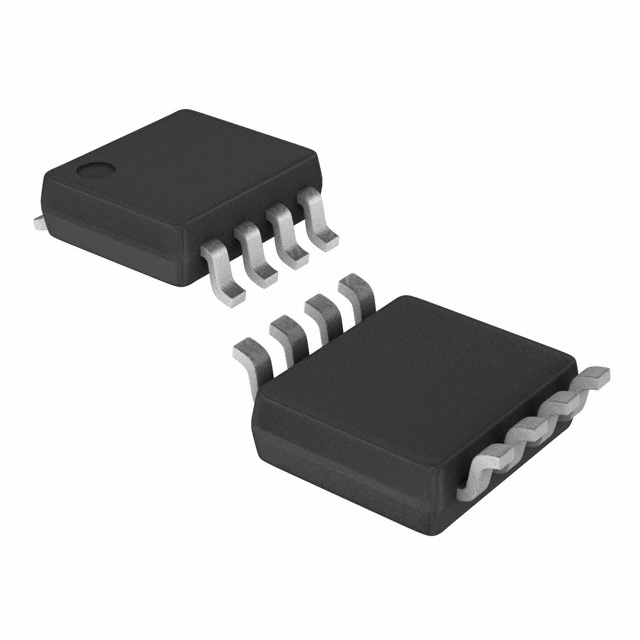
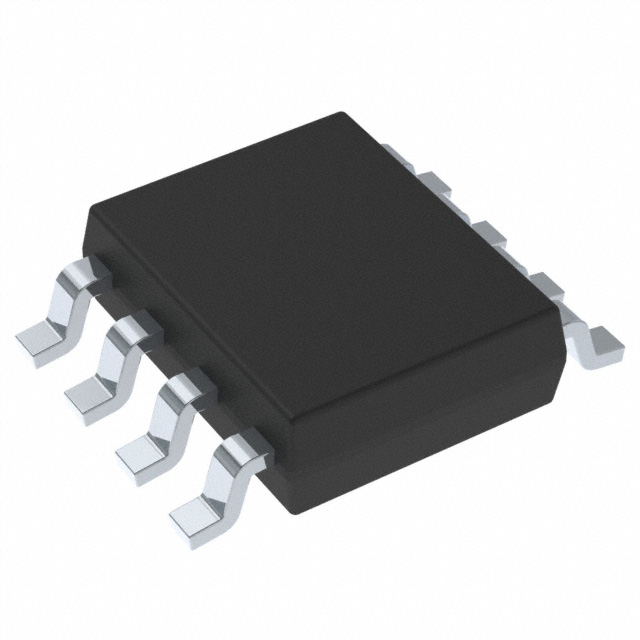
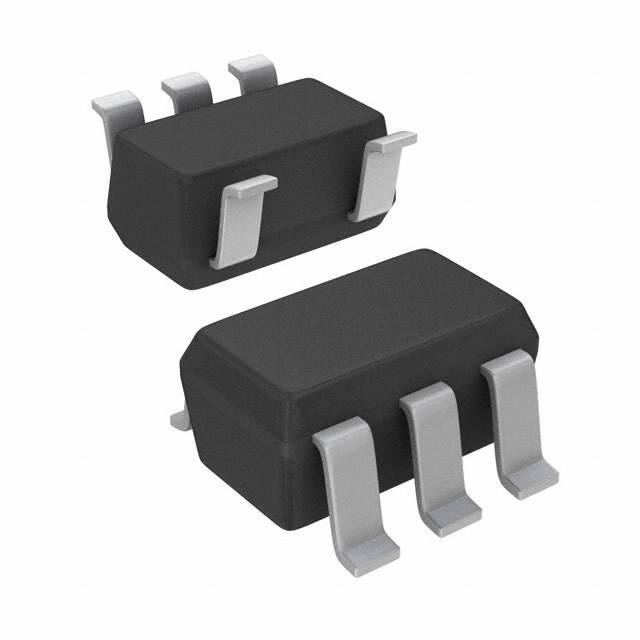
A vibration sensor (also known as a vibration transducer or accelerometer) is a sophisticated electronic device that detects, measures, and monitors vibrations in mechanical systems, structures, and equipment. These sensors convert mechanical motion—specifically vibration frequency and amplitude—into electrical signals that can be analyzed to assess equipment health and performance.
"Vibration sensors are the cornerstone of predictive maintenance programs, capable of detecting mechanical issues up to 90% earlier than traditional maintenance approaches." — Cryotos
The Core Purpose: Why Vibration Matters
Every piece of rotating or moving machinery generates vibrations. While some vibration is normal, abnormal vibration patterns signal underlying problems such as:
Imbalance: Uneven weight distribution in rotating components
Misalignment: Shafts or bearings out of proper alignment
Looseness: Bolts, mounts, or components coming free
Bearing wear: Degradation of rolling elements or races
Resonance: Operating at frequencies that amplify vibrations
How Do Vibration Sensors Work?
Understanding how vibration sensors work requires examining the physics behind vibration measurement and the sensing technologies that make detection possible.
The Physics of Vibration Detection
Vibration sensors operate on fundamental principles of motion measurement. When mounted on or embedded in machinery, these devices measure three critical parameters:
Displacement: The actual physical movement distance
Velocity: The speed of vibration movement
Acceleration: The rate of change in velocity
Key Sensing Technologies
| Technology Type | How It Works | Best For |
|---|---|---|
| Piezoelectric | Generates electrical charge when mechanically stressed | High-frequency vibrations, industrial machinery |
| MEMS (Capacitive) | Measures capacitance changes in micro-structures | Low-cost applications, consumer electronics |
| Piezoresistive | Changes resistance under mechanical stress | Low-frequency measurements, seismic monitoring |
| Proximity Probe | Non-contact measurement using electromagnetic fields | Large rotating shafts, turbomachinery |
The Signal Processing Journey
Modern vibration sensors don't just detect motion—they create actionable intelligence through sophisticated signal processing:
Analog Signal Generation: Physical vibration creates an electrical signal
Signal Conditioning: Amplification and filtering remove noise
Digital Conversion: ADC converts analog signals to digital data
Frequency Analysis: FFT (Fast Fourier Transform) reveals vibration patterns
Data Interpretation: Software compares patterns against baseline data
Types of Vibration Sensors: A Comprehensive Breakdown
Choosing the right vibration sensor type is critical for accurate monitoring. Each sensor category offers distinct advantages for specific applications.

1. Piezoelectric Accelerometers
The Industry Standard
Piezoelectric sensors are the most widely used vibration sensors in industrial settings, accounting for approximately 70% of all installations.
Key Features:
Wide frequency range (0.5 Hz to 10 kHz+)
Excellent dynamic range
High sensitivity and accuracy
Robust construction for harsh environments
No external power needed (charge mode)
Typical Sensitivity: 100 mV/g (standard), 500 mV/g (low-frequency applications)
2. MEMS Accelerometers
The Cost-Effective Solution
MEMS (Micro-Electro-Mechanical Systems) sensors offer a budget-friendly alternative with improving performance capabilities.
Advantages:
Very low cost ($10-$100 range)
Small form factor
Low power consumption
DC response capability
Ideal for IoT and wireless applications
Trade-offs: Lower sensitivity and more noise compared to piezoelectric sensors
3. Velocity Sensors
The Direct Measurement Approach
Velocity sensors measure vibration speed directly, making interpretation simpler for many applications.
Common Types:
Coil and Magnet (Traditional): Reliable but bulky
Piezoelectric Velocity: Modern, compact alternative
4. Proximity Probes
The Non-Contact Specialists
These sensors measure shaft displacement without physical contact, ideal for high-speed rotating machinery.
Perfect For:
Turbines and compressors
Large rotating shafts
Measuring shaft position and vibration simultaneously
💡 Common Misconception: Vibration Sensor vs. Accelerometer
Many people confuse these terms. Here's the truth: A vibration sensor is typically a type of accelerometer, but not all accelerometers are vibration sensors. Accelerometers measure acceleration in any context (phones, cars, aircraft), while vibration sensors are specifically optimized for detecting and analyzing mechanical vibrations in the 10 Hz to 1 kHz range typical of industrial machinery.
Critical Applications of Vibration Sensors
Vibration sensors for industrial monitoring have become indispensable across numerous sectors. Here's where they make the biggest impact:
Manufacturing & Production
Motor monitoring: Electric motors, pumps, fans, and blowers
Bearing health: Early detection of bearing failures
Gearbox analysis: Identifying tooth wear and lubrication issues
Assembly lines: Ensuring equipment runs within specifications
Energy & Utilities
Wind turbines: Monitoring blade balance and drivetrain health
Power generation: Turbines, generators, and cooling systems
HVAC systems: Chillers, compressors, and air handlers
Construction & Infrastructure
Structural monitoring: Bridges, buildings, and dams
Seismic detection: Construction impact monitoring
Pile driving: Vibration control near sensitive structures
Transportation & Automotive
Railway monitoring: Track condition and wheel bearing health
Vehicle testing: Suspension and drivetrain evaluation
Aerospace: Aircraft engine and structural monitoring
"Implementing vibration monitoring reduced our unplanned downtime by 68% in the first year. The sensors detected a bearing failure three weeks before it would have caused a catastrophic failure, saving us over $150,000 in production losses and emergency repairs." — Manufacturing Plant Manager, Automotive Industry
Strengths and Advantages of Vibration Sensors
Understanding what makes vibration sensors such powerful tools helps justify their implementation in your operations.
Major Advantages
1. Early Fault Detection
Detect problems 90% earlier than traditional methods. Vibration analysis can identify developing faults weeks or even months before failure, allowing planned maintenance instead of emergency repairs.
2. Non-Invasive Monitoring
Once installed, sensors monitor continuously without interfering with equipment operation. No need to shut down machinery for regular inspections.
3. Cost Reduction
Reduce maintenance costs by 25-30%
Eliminate 50-70% of unplanned downtime
Extend equipment lifespan by 20-40%
Optimize spare parts inventory
4. Comprehensive Diagnostics
Modern sensors provide detailed information about multiple failure modes simultaneously—imbalance, misalignment, bearing wear, looseness, and more.
5. Remote Monitoring Capability
Wireless and IoT-enabled sensors allow monitoring from anywhere, enabling centralized maintenance management across multiple facilities.
Limitations and Improvement Areas
No technology is perfect. Here are the key challenges and considerations:
Current Limitations
1. Initial Investment Costs
Upfront expenses can be significant, especially for comprehensive monitoring systems. Industrial-grade sensors range from $300 to $5,000+ per unit, plus installation and software costs. However, ROI typically occurs within 6-18 months.
2. Expertise Requirements
Effective vibration analysis requires trained personnel who understand:
Frequency spectrum interpretation
Machinery dynamics
Sensor placement optimization
Data analysis techniques
3. Environmental Sensitivity
Sensor performance can be affected by:
Extreme temperatures (-40°C to +125°C operational limits)
High humidity and moisture exposure
Electromagnetic interference
Mounting quality and stability
⚠️ Common Installation Mistakes to Avoid
Poor mounting: Magnetic mounts on painted surfaces reduce signal quality
Wrong location: Sensors must be close to bearings, not on flexible structures
Cable damage: Frayed or crushed cables create false readings
Skipping calibration: Regular calibration ensures measurement accuracy
Vibration Sensor Buying Guide: Making the Right Choice
Selecting the best vibration sensor for your application requires careful evaluation of multiple factors. This checklist will guide your decision.
Selection Checklist: Key Questions to Answer
📋 Before You Buy: Essential Questions
What equipment are you monitoring? (motors, pumps, bearings, etc.)
What is the rotation speed? (determines frequency range needed)
What are the environmental conditions? (temperature, moisture, chemicals)
Do you need wireless or wired sensors?
What is your budget per monitoring point?
Do you have in-house expertise or need vendor support?
What data integration is required? (standalone, SCADA, cloud platforms)
Critical Specifications to Consider
| Specification | What to Look For | Typical Range |
|---|---|---|
| Frequency Range | Must cover 10x your highest operating frequency | 0.5 Hz - 10 kHz |
| Measurement Range | ±50g for most industrial; ±10g for precision | ±2g to ±500g |
| Sensitivity | Higher sensitivity for low-amplitude vibrations | 10 mV/g to 1000 mV/g |
| Temperature Range | Match or exceed your operating environment | -40°C to +125°C |
| IP Rating | IP67+ for industrial environments | IP65 to IP68 |
Price Ranges and What to Expect
Budget MEMS Sensors: $10-$100 — Basic monitoring, consumer applications
Entry-Level Industrial: $200-$500 — Small motors, non-critical equipment
Professional Grade: $500-$2,000 — Standard industrial machinery monitoring
Premium Systems: $2,000-$5,000+ — Critical assets, comprehensive diagnostics
Wireless IoT Solutions: $300-$1,500 per node — Cloud connectivity, battery-powered
Purchase Recommendations by Application
For Manufacturing Plants:
Recommended: Piezoelectric ICP accelerometers with 100 mV/g sensitivity, wired installation for critical rotating equipment. Budget: $800-$1,500 per point.
For Facility Maintenance:
Recommended: Wireless MEMS-based sensors for HVAC and non-critical equipment. Budget: $300-$700 per sensor.
For Condition Monitoring Services:
Recommended: Portable data collectors with high-performance piezoelectric sensors. Budget: $3,000-$8,000 for complete system.
For IoT and Smart Building Applications:
Recommended: Battery-powered wireless sensors with cloud connectivity. Budget: $400-$1,000 per node including gateway.
Real-World Success Stories
🏭 Case Study: Chemical Processing Plant
Challenge: Frequent bearing failures on critical pumps causing production shutdowns.
Solution: Installed wireless vibration sensors on 50 critical pumps with 24/7 monitoring.
Results:
Detected 12 developing failures in first 6 months
Reduced unplanned downtime by 75%
Saved $420,000 in first year
ROI achieved in 8 months
🌪️ Case Study: Wind Farm Operation
Challenge: Gearbox failures in wind turbines requiring expensive crane rentals and lost generation.
Solution: Vibration monitoring system integrated with SCADA for 120 turbines.
Results:
Extended gearbox life by 30%
Planned maintenance during low-wind periods
Increased fleet availability by 12%
Annual savings: $2.3 million
Thought-Provoking Questions for Your Operation
❓ Consider These Questions:
What would a 24-hour unplanned shutdown cost your operation? Compare this to the investment in vibration monitoring.
How much time does your maintenance team spend on routine inspections? Could vibration sensors free them for more value-added work?
Are you operating critical equipment "until it breaks"? What is the risk exposure if this equipment fails unexpectedly?
Do you have visibility into equipment health across all your facilities? Could centralized monitoring improve decision-making?
Common Misconceptions About Vibration Sensors
Let's clear up some widespread myths that prevent organizations from benefiting from vibration monitoring.
Myth #1: "Our equipment is too old for vibration monitoring"
Reality: Older equipment often benefits MOST from monitoring because replacement parts may be scarce or expensive. Vibration sensors can extend the life of legacy equipment significantly.
Myth #2: "Vibration sensors are only for large, expensive machinery"
Reality: With sensors now available for $300-$500, even small motors and pumps can be economically monitored. The failure of a small pump can shut down an entire production line.
Myth #3: "We need an expert vibration analyst on staff"
Reality: Modern systems use AI and machine learning to provide actionable alerts. While expertise helps, user-friendly interfaces and vendor support make adoption accessible to typical maintenance teams.
Myth #4: "Wireless sensors aren't reliable enough for industrial use"
Reality: Today's industrial wireless sensors offer 99%+ uptime with battery life exceeding 5 years. They're often MORE reliable than wired installations vulnerable to cable damage.
Myth #5: "One sensor type works for everything"
Reality: Different applications require different sensors. A $50 MEMS sensor may be perfect for HVAC equipment but inadequate for high-speed turbomachinery requiring a $2,000 piezoelectric system.
Conclusion: Taking Action on Vibration Monitoring
Understanding what a vibration sensor is and how it works represents just the first step in transforming your maintenance approach from reactive to predictive. The evidence is overwhelming: organizations that implement comprehensive vibration monitoring programs experience dramatic reductions in downtime, maintenance costs, and safety incidents.

The technology has matured to the point where implementation barriers—cost, complexity, expertise requirements—have largely dissolved. Whether you're monitoring a single critical asset or deploying sensors across an entire facility, solutions exist for every scale and budget.
✅ Your Next Steps:
Identify your most critical assets — Where would failure cause the greatest impact?
Calculate your downtime costs — Quantify the business case for monitoring
Start with a pilot program — Test vibration monitoring on 5-10 assets
Choose appropriate sensors — Match technology to your specific needs
Plan for training — Invest in your team's capability to interpret data
Scale based on results — Expand monitoring as you prove ROI
The question isn't whether vibration monitoring will benefit your operation—the research and real-world results conclusively demonstrate its value. The question is: What will it cost if you wait until after the next major failure to implement it?
Start small, measure results, and scale your program. The investment you make today in understanding and implementing vibration sensor technology will pay dividends for years to come through improved equipment reliability, reduced maintenance costs, and most importantly—peace of mind knowing you'll detect problems before they become catastrophes.
Ready to implement vibration monitoring? Begin by contacting sensor manufacturers or condition monitoring specialists for application-specific recommendations. Many vendors offer free consultations to assess your needs and recommend appropriate solutions.
Additional Resources
For further reading on vibration sensor technology and implementation:
Comprehensive Vibration Sensor Guide - Renke
Types of Vibration Sensors - RealPars
Vibration Sensor Benefits & Types - Cryotos
Sensor Selection Guide - Metrix Vibration