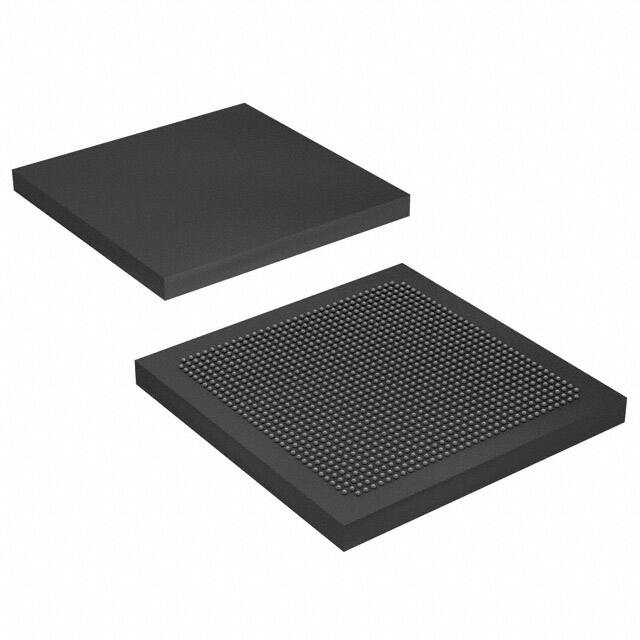
AI Chips: Enhancing Machine Intelligence
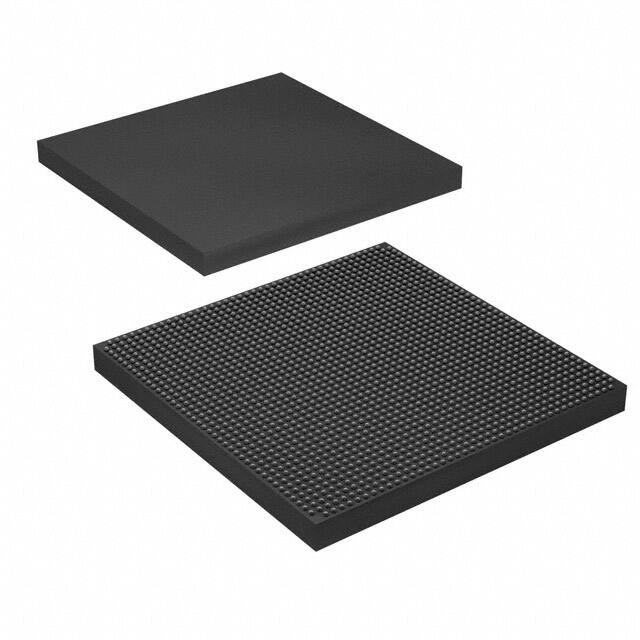
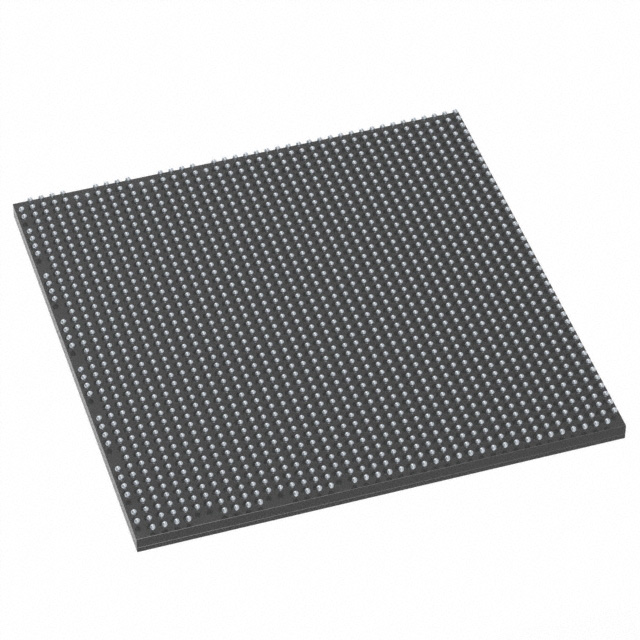
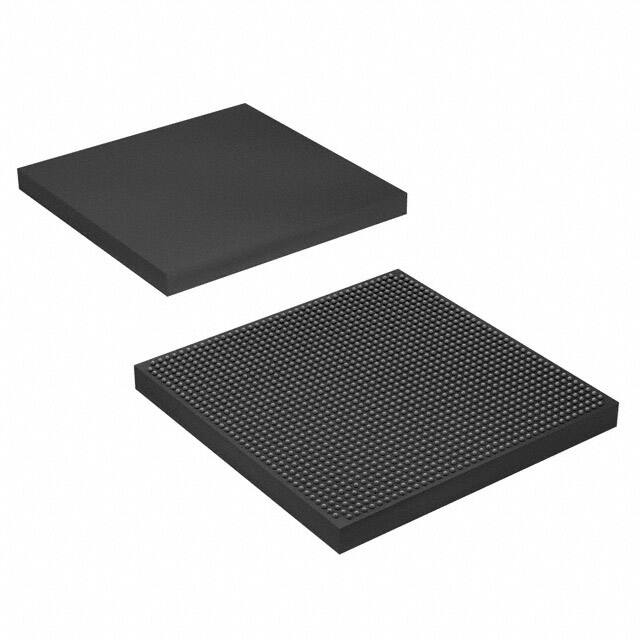
AI chips, the backbone of machine learning, are revolutionizing various sectors. Their applications extend beyond smartphones to autonomous vehicles and medical devices. Many startups leverage AI and IoT in the designing and fabrication, optimizing functionalities and performance.
Applications
The advancement of AI chips in the automotive sector has revolutionized vehicle safety and autonomy. These chips power intricate algorithms that enable autonomous driving systems, enhancing road safety and redefining transportation.
In healthcare, AI chips play a crucial role in diagnostics, analyzing vast amounts of medical data with unparalleled speed and accuracy, aiding in disease detection and treatment planning. Integrating AI chips in robotics streamlines production processes in manufacturing, optimizing efficiency and enabling adaptive and responsive manufacturing systems.
Laser Radar and Precision with Laser Diodes
Laser diodes, essential in laser radar systems, offer unmatched precision. They're employed in optical data storage, medical equipment, and industrial automation, enabling high-resolution scanning and detection for enhanced productivity and accuracy.
Applications
The utilization of laser radar systems in defense and aerospace industries has significantly enhanced surveillance capabilities. Laser diodes’ precision and ability to detect and track objects at extended ranges bolster national security measures and aid in monitoring airspace and maritime activities.
In medical equipment, laser diodes enable advanced imaging techniques like MRI and CT scans, providing detailed and precise diagnostic information crucial for healthcare.
The 5G Revolution: Transforming Connectivity
5G technology modules redefine wireless communication, promising ultra-fast speeds. Their applications span IoT, smart cities, and immersive technologies. The exponential growth of 5G connections is poised to reshape how devices communicate and interact.
Applications
In the IoT domain, 5G's influence is set to skyrocket. Forecasts by research firm Gartner indicate a surge to 60% in communication service providers offering commercial 5G services by 2024, a dramatic rise from the 10% reported in 2020. This exponential growth, driven by escalating business and customer demands for remote work needs, heralds a transformative era for connectivity.
Furthermore, 5G's impact on smart cities is profound. It acts as the catalyst for interconnected infrastructure, empowering enhanced public services, transportation systems, and urban management, leveraging its high-bandwidth connectivity and real-time data transmission capabilities.
Integrated Circuits (ICs) and Microprocessors: Pillars of Electronics
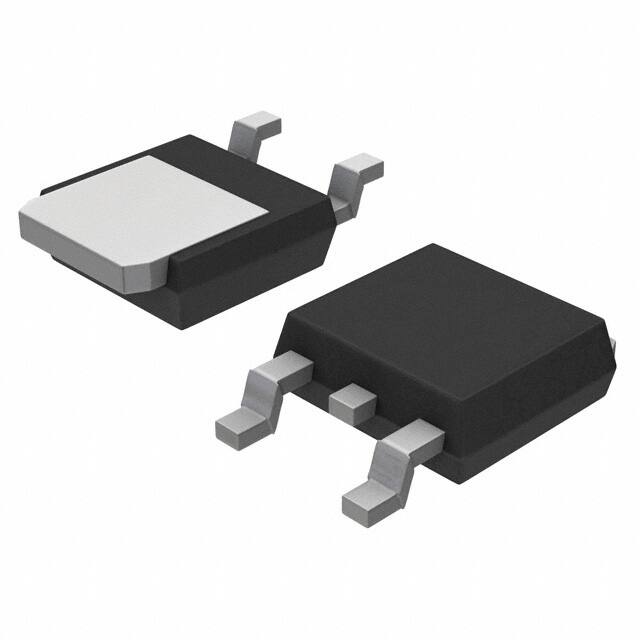
ICs and microprocessors power electronic systems across industries. As demand for flexibility and customization grows, startups focus on new system architectures. Advanced circuit packaging continues to reduce chip size while integrating more functions.
Applications
In aerospace, integrating integrated circuits (ICs) and microprocessors has brought about remarkable advancements in avionics systems. These technological marvels serve as the brains behind the sophisticated avionics systems found in modern aircraft. Through their intricate operations, they manage critical tasks, including navigation, communication, and the precise control of flight.
Their integration has become fundamental in ensuring the safety and efficiency of contemporary aircraft operations.
In the automotive sector, the integration of advanced ICs and microprocessors enables intelligent driver assistance systems, enhancing vehicle safety through features like collision detection, lane departure warnings, and adaptive cruise control.
Sensors: Enabling Precision and Safety
Advanced sensors like LiDAR and radar revolutionize object detection and distance measurement. Their applications in autonomous vehicles and environmental monitoring systems ensure enhanced safety and accuracy.
Applications
In environmental monitoring, sensors play a crucial role in gathering data related to air quality, water pollution, and climate parameters. These sensors aid in the early detection of environmental hazards, helping governments and organizations take proactive measures to mitigate risks and protect ecosystems.
Furthermore, in healthcare, sensors enable the development of wearable devices that monitor vital signs, empowering individuals to track their health metrics and facilitating remote patient monitoring.
Flexible Electronics and Wearable Tech: The Future Unfolds
Flexible and printed electronics promise a new era of adaptable technology. They find applications in wearable health monitors, foldable displays, and IoT sensors, catering to the demand for customizable and user-friendly devices.
Applications
In healthcare, wearable devices equipped with flexible electronics enable continuous health monitoring for patients with chronic conditions. These devices provide real-time data on vital signs and physical activity, allowing healthcare professionals to monitor patients remotely and make timely interventions.
Moreover, in the fitness industry, wearable tech fosters personalized workout routines by tracking performance metrics and offering real-time feedback, enhancing the overall fitness experience for individuals.
Advanced Electronic Materials and Innovation in Semiconductors
The semiconductor industry seeks alternatives to traditional silicon, pushing innovation in materials and architectures. In the world of cutting-edge technology, startups are working hard to create unique materials like Gallium Nitride (GaN) and carbon nanotubes. These amazing materials are super important because they're used in electric vehicles (EVs), controlling motors in industries, and making wireless computing better.
Applications
When it comes to renewable energy, these fancy electronic materials are like superheroes. They're crucial in making solar panels and energy storage gadgets more efficient. These materials help solar cells turn sunlight into electricity better, which is incredible because it helps us generate clean and sustainable energy for the planet.
Furthermore, in energy grids, advancements in electronic materials enable the development of high-efficiency power electronics, optimizing energy distribution and management, thus enhancing overall grid reliability and performance.
Organic Electronics: Pioneering Sustainability
Organic electronics offer cost-effectiveness and sustainability. They use safer and more abundantly available raw materials. In order to make recyclable and biodegradable electronics, manufacturers choose to use organic materials, which promotes sustainable development.
Applications
The use of organic electronics in consumer electronics helps to create gadgets that are environmentally and energy-conscious. Manufacturers use organic materials for displays with lower energy consumption, reducing the environmental impact of electronic devices.
In the renewable energy sector, lightweight and flexible solar cells can be produced using organic materials. That expands the possibilities for integrating solar technology into various surfaces and environments. It advocates for the extensive usage of renewable energy sources.
Conclusion
The electronic component industry is evolving at an unprecedented pace, fueled by innovations in AI, semiconductor materials, organic electronics, and more. These advancements are transforming existing technologies and forging new pathways for sustainability and enhanced functionalities across industries.
 Paul George
Richard Electronics guest author, a Mechatronics engineer and a professional researcher, designer, developer and manufacturer for 3d Cad and PCB. I believe in efficiency, effectiveness and quality of work, and my aim is to provide complete one-roof solutions to complex mechanical and electrical design systems. I have a well-equipped lab with state-of-the-art technology for doing research and providing.


04 July 2026

06 June 2026

07 May 2026
17 April 2026

02 April 2026