Convenience and Connectivity:
Electronic components enable us to stay connected and access information with ease. Smartphones, for example, are equipped with advanced components like microprocessors, touchscreen displays, and wireless connectivity, allowing us to communicate, browse the internet, and run various applications on the go. These devices have become our personal assistants, providing convenience and connectivity at our fingertips.
Moreover, electronic components have transformed our homes into smart living spaces. Smart home systems utilize components like sensors, actuators, and microcontrollers to automate tasks and enhance comfort. From voice-controlled assistants to smart thermostats and security systems, these components make our lives easier and more convenient, allowing us to control and monitor our homes remotely.
Efficiency and Energy Conservation:
Electronic components contribute to energy efficiency and conservation. Energy-saving appliances, such as refrigerators, air conditioners, and washing machines, are designed with components that optimize energy consumption while maintaining performance. For instance, advanced sensors and control systems in these appliances ensure that energy is used efficiently, resulting in lower utility bills and reduced environmental impact.
Renewable energy systems also rely on electronic components. Solar panels, wind turbines, and energy storage systems incorporate components like inverters and charge controllers to convert and manage energy from renewable sources. By harnessing clean energy, these components not only reduce reliance on fossil fuels but also contribute to a more sustainable future.
Healthcare and Well-being:
Electronic components have revolutionized healthcare, improving diagnosis, treatment, and overall well-being. Medical devices, such as pacemakers, insulin pumps, and wearable health trackers, rely on components like sensors, microcontrollers, and wireless connectivity to monitor vital signs, deliver medication, and provide real-time health data. These components enable personalized and remote healthcare, empowering individuals to take control of their well-being.
Additionally, electronic components play a crucial role in medical imaging and diagnostics. Advanced imaging technologies, like MRI and CT scanners, utilize components to generate high-resolution images, aiding in the accurate detection and diagnosis of diseases. This leads to better treatment outcomes and improved quality of life for patients.
Innovation and Creativity:
Electronic components drive innovation and creativity across various industries. From automotive advancements to space exploration, these components enable breakthroughs and push boundaries. Electric vehicles, for example, rely on components like batteries, motors, and power management systems to deliver efficient and sustainable transportation options. Similarly, electronic components are vita lin the development of emerging technologies such as artificial intelligence, virtual reality, and robotics. These components enable the creation of intelligent systems that can automate tasks, improve productivity, and enhance our overall experiences.
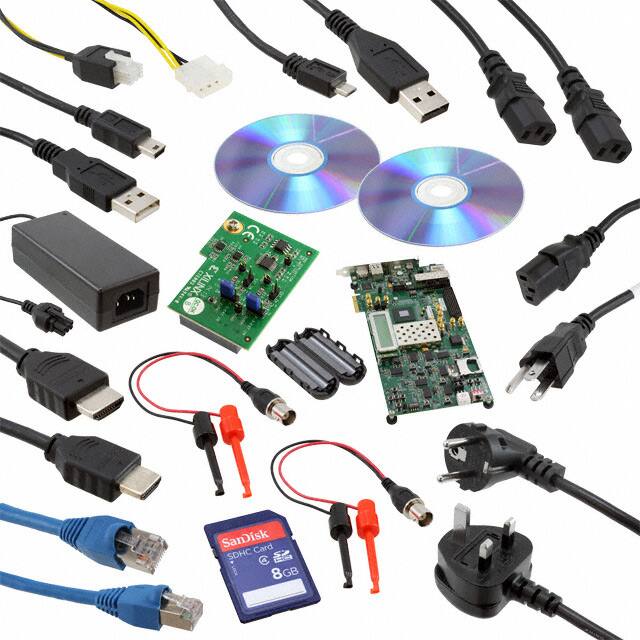
Moreover, electronic components empower individuals to unleash their creativity. DIY electronics kits and prototyping platforms provide a hands-on approach for hobbyists, students, and innovators to design and build their own electronic devices. This fosters a culture of innovation and encourages problem-solving skills, pushing the boundaries of what is possible.
Environmental Monitoring and Conservation:
Electronic components also play a crucial role in environmental monitoring and conservation efforts. Sensors and data logging devices equipped with various environmental sensors enable us to collect and analyze data on air quality, water quality, and weather conditions. This information helps us make informed decisions and take necessary actions to protect our environment and natural resources.
Additionally, electronic components are used in smart energy management systems. These systems monitor and optimize energy consumption in buildings, ensuring efficient use of resources and reducing carbon footprint. By integrating renewable energy sources, energy storage systems, and smart grids, electronic components contribute to a more sustainable and eco-friendly future.
conclusion
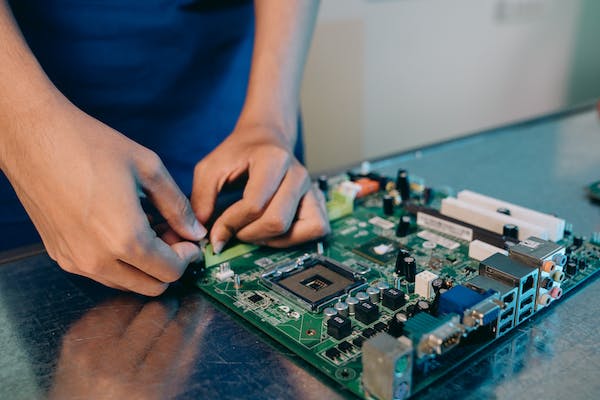
Electronic components have become an indispensable part of our lives, enabling convenience, efficiency, and innovation. From smartphones and smart homes to healthcare devices and renewable energy systems, these components empower us to live a better life. Whether it's through improved connectivity, energy conservation, healthcare advancements, or environmental monitoring, electronic components continue to shape and enhance our world. Embracing these technologies and leveraging their potential can truly transform the way we live, work, and interact with the world around us. Hope your project goes well!
 Ling Tianhao
Ling Tianhao, with 20 years in R&D, has developed his skills at one of America's top ten chip manufacturers.His expertise goes beyond chip design and quality control, showing a strong understanding of PCB technology. His comprehensive knowledge of microchip and PCB technologies establishes him as a versatile professional in the semiconductor industry, driving advancements and solving complex problems.


04 September 2026

05 August 2026

04 July 2026

06 June 2026

07 May 2026