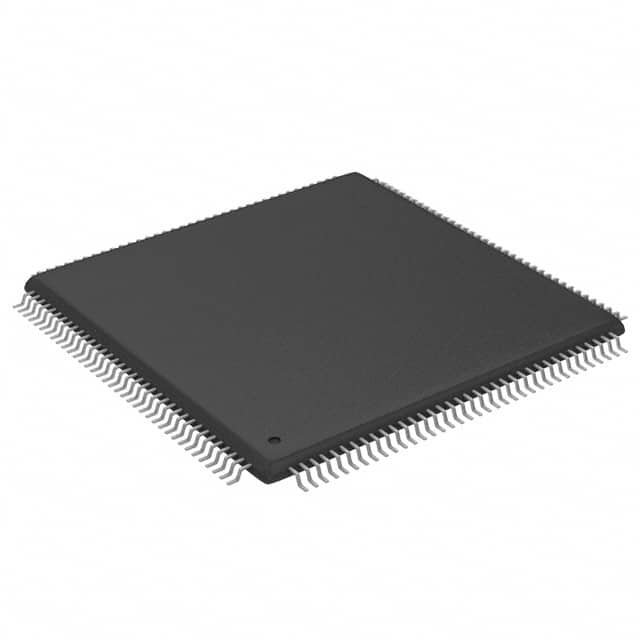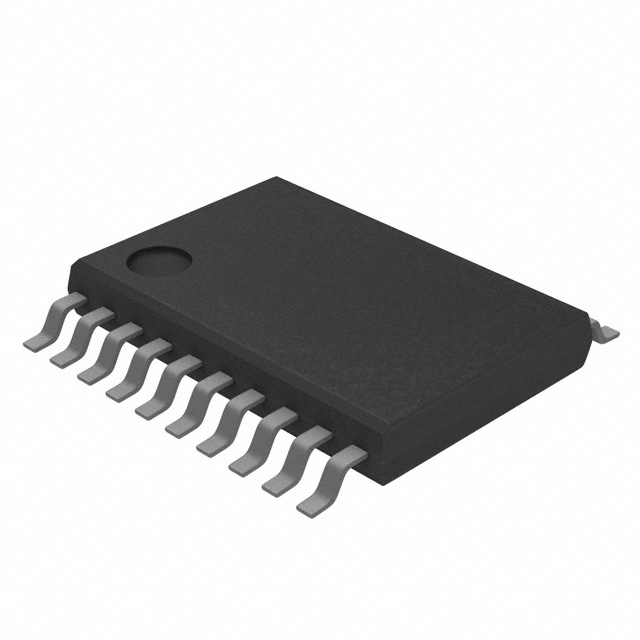
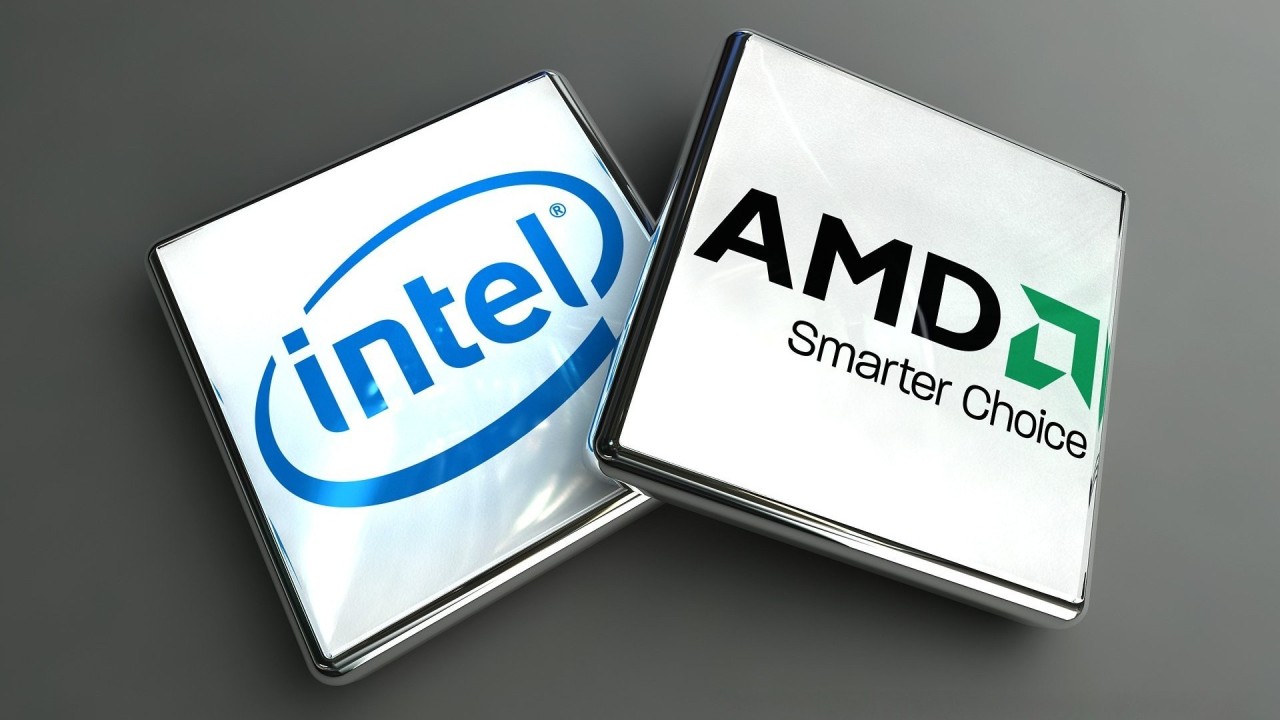
As the digital revolution continues to gain momentum, the semiconductor industry, the backbone of this digital transformation, is experiencing unprecedented demand. The tiny chips that power our devices are becoming increasingly indispensable, leading to a surge in demand and a rapid evolution in semiconductor manufacturing. This evolution is being steered by industry leaders like Intel, Samsung, and Taiwan Semiconductor Manufacturing Company (TSMC), alongside emerging market trends.
The semiconductor industry landscape has been largely shaped by these key players. Intel, an American multinational corporation, has been a trailblazer in the industry for decades. Its relentless investment in research and development has led to countless technological breakthroughs, keeping Intel at the industry's forefront. However, recent challenges in advancing its manufacturing technology have led to production delays of its latest chips, providing an opportunity for competitors like TSMC and Samsung to increase their market share.
TSMC, a Taiwan-based company, has capitalized on Intel's struggles and has established itself as the preferred manufacturer for numerous tech companies, including Apple. Unlike Intel, which designs and manufactures chips, TSMC’s sole focus on manufacturing has enabled it to invest heavily in advanced manufacturing technologies, giving it a competitive edge.
Samsung, the South Korean tech titan, is another significant player in the industry. Its vertical integration strategy, which involves designing, manufacturing, and selling its own devices, has given it control over the entire supply chain, contributing to its success.
The future of semiconductor manufacturing is also being influenced by several market trends. A notable trend is the shift towards smaller, more powerful chips. As devices shrink in size and the demand for processing power escalates, manufacturers are under pressure to produce smaller, more efficient chips. This trend is spurring innovation in manufacturing technologies, with companies investing heavily in research and development to stay ahead.
Emerging technologies such as artificial intelligence (AI), Internet of Things (IoT), and autonomous vehicles are also driving the demand for advanced chips capable of handling complex computations. This has created new opportunities for semiconductor manufacturers.
However, the industry is not without its challenges. The recent global chip shortage has exposed the fragility of the semiconductor supply chain, leading to calls for increased domestic production, particularly in the United States.
In conclusion, the future of semiconductor manufacturing hinges on the strategies of key players like Intel, Samsung, and TSMC, and market trends such as the demand for smaller, more powerful chips and the rise of emerging technologies. Despite facing challenges such as supply chain vulnerabilities and the need for continuous technological innovation, the semiconductor industry's significance in our increasingly digital world is set to continue its upward trajectory.
 Ling Tianhao
Ling Tianhao, with 20 years in R&D, has developed his skills at one of America's top ten chip manufacturers.His expertise goes beyond chip design and quality control, showing a strong understanding of PCB technology. His comprehensive knowledge of microchip and PCB technologies establishes him as a versatile professional in the semiconductor industry, driving advancements and solving complex problems.


04 July 2026
06 June 2026
07 May 2026
17 April 2026
02 April 2026