
They are very important in dc-dc converters. Power inductors control current changes to keep circuits steady. Using these tools right saves time, avoids mistakes, and makes systems better.
Key Takeaways
Inductance is important for managing how current moves in circuits. It keeps devices like transformers and dc-dc converters working smoothly.
Inductance conversion tools make changing units easier and improve accuracy. Tools like Richard Electronics’ Inductance Conversion are simple and trustworthy.
To get accurate inductance readings, use a clear process and care for your tools often. This reduces mistakes and makes projects better.
Understanding Inductance and Its Importance
What Is Inductance and Why Is It Important?
Inductance is a feature of circuits that controls current flow. When current moves through a wire or coil, it makes a magnetic field. This field pushes back against changes in the current. This resistance is called inductance. Think of it as storing energy in a magnetic field. Engineers use inductance to make circuits steady and work well.
For example, inductance is key in transformers. Transformers move energy between circuits while reducing energy waste. Inductance also helps smooth out electrical signals. Smooth signals are needed for many devices. Without inductance, circuits would fail to handle quick current changes.
How Inductance Works in Electronics and dc-dc Converters
Inductance is used in many electronics. It is very important in dc-dc converters. These converters change one voltage to another. Power inductors in converters control current and improve efficiency. Some modern converters are 96% to 99.1% efficient. This makes them great for laptops, phones, and electric cars.
Here’s a list of parts used in dc-dc converters:
| Component Type | Specification |
|---|---|
| Inductor | 470 µH (652-2100LL-471-H-RC or similar) |
| P-Channel MOSFET | IRF9Z24NPBF or similar |
| N-Channel Transistor | 2N3903 or similar |
| Capacitors | 2x 100 µF (80-ESK107M050AG3AA or similar) |
These parts work together to make circuits that power your devices efficiently.
Why Inductance Conversion Tools Are Useful
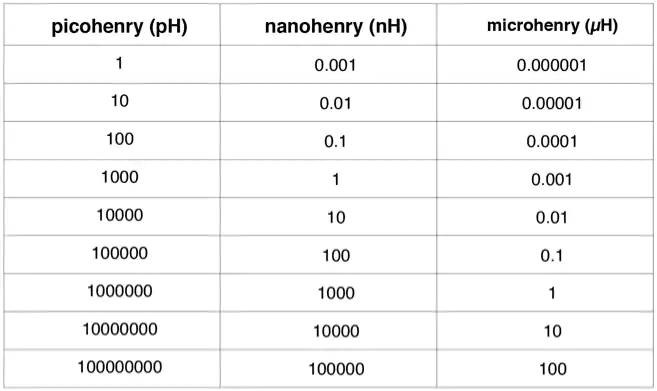
Measuring inductance correctly is very important for good circuits. Inductance conversion tools help change values between units like microhenry (µH) and millihenry (mH). Tools like Richard Electronics’ Inductance Conversion make this easy and accurate.
To measure inductance, you might use an oscilloscope or signal generator. These tools check how circuits react to signals to find inductance. Using the right tools ensures accurate results. This saves time and prevents mistakes.
Tip: Always check your measurements twice. Use trusted inductance conversion tools to avoid errors.
How to Use Inductance Conversion Tools Effectively
Picking the Best Inductance Conversion Tool
Start by knowing what your project needs. Tools like Richard Electronics’ Inductance Conversion make switching between units like microhenry and millihenry simple. Choose a tool that matches the measurements you need.
Compare tools by looking at their features and ratings. Some tools show energy losses or match inductors to specific needs. For example, Coilcraft’s tools calculate core and winding losses. Dc-dc converter selectors estimate inductance and current needs. These features save time and give accurate results.
Steps to Measure and Convert Inductance
Follow these steps to measure inductance correctly:
Attach the signal generator to the inductor’s input.
Set the signal generator to send a sine wave.
Adjust the signal generator’s voltage level.
Connect the oscilloscope to the inductor’s output.
Change the oscilloscope settings to see the waveform clearly.
Measure the inductor’s voltage using the oscilloscope.
Change the signal generator’s frequency and measure again.
Use the data with inductance conversion tools to calculate values. This ensures your results fit your project’s needs.
Tips for Accurate Results
To get good results, remember these tips. Always check your measurements twice. Use trusted tools like Richard Electronics’ Inductance Conversion. Avoid mistakes by using the tool’s built-in chart. Keep your signal generator and oscilloscope calibrated for accuracy.
Power inductors are key in dc-dc converters, so precise measurements matter. By following these steps and using good tools, your projects will work well.
Tip: Keep your tools clean and dry to avoid damage and keep them working properly.
Troubleshooting and Best Practices
Common Errors in Inductance Measurements
Mistakes can happen when measuring inductance. These errors often come from things like unwanted capacitance or the materials in your parts. Unwanted capacitance can change your results, especially at high frequencies. If you use coils with ferromagnetic cores, the material's properties can also affect your measurements.
Another problem is not setting the right frequency or voltage during testing. These settings are very important for accurate inductance values. Always check your setup, including your signal generator and oscilloscope, to make sure your readings are correct.
Tip: Keep your tools adjusted and use the same settings to avoid errors.
Avoiding Unit Conversion Mistakes
Mixing up units can cause big problems, even for experts. For instance, NASA lost a spacecraft because they didn’t convert English units to metric. Another example is the Gimli Glider, which ran out of fuel due to unit confusion.
To prevent these mistakes, use a trusted tool like Richard Electronics' Inductance Conversion. This tool makes it easy to switch between units like microhenry and millihenry. It also helps reduce errors when working with power inductors or other parts.
Note: Always double-check your conversions and use the tool’s chart for quick help.
Tips for Maintaining Accuracy Over Time
To keep your inductance measurements accurate, take care of your tools. Clean and adjust your signal generator and oscilloscope regularly. Dirt or misalignment can mess up your readings. Store your tools in a safe, dry place to avoid damage.
When measuring inductance, always confirm your results with a reliable conversion tool. This ensures your power inductors meet the needed standards. Stick to the same settings and steps every time for consistent results.
Pro Tip: Make a checklist for your process. This helps you catch mistakes before they cause problems.
Using inductance conversion tools helps make your projects better. They make unit conversions easier and reduce mistakes in measurements. By following simple steps and keeping tools in good shape, you’ll get steady results. Tools like Richard Electronics’ Inductance Conversion save time and improve learning, making them very useful for electronics work.
Did you know? Inductive methods find patterns and trends, giving clearer data insights. This method improves understanding and ensures dependable results.


