Different Types of Sensors
Sensors connect the physical and digital worlds and enable machines to interact with their surroundings. When you get into the market, you will explore a variety of sensors. Each of them is specially designed to detect and measure distinct physical properties.
Let's take a microscopic look at some common types of sensors and applications in the following section.
Temperature Sensors
As the name implies, these types of sensors determine the change in the thermal conditions. It can be the temperature of the air, liquid, or any solid material. Accurate temperature measurements are significant to optimize product quality and safety.
Different types of temperature sensors are available in the market, and each deploys a distinct technology for its operation. For example, they may include thermocouples, thermistors, and RTD (Resistive Temperature Devices).

Applications:
Temperature sensors are used everywhere in industrial processes and temperature measurement systems. They are generally used in:
· Medical applications
· Automobiles
· Computers and mobile phones
· Air conditioning systems
· Domestic appliances
· Scientific & Laboratory Sector and more.
Proximity Sensors
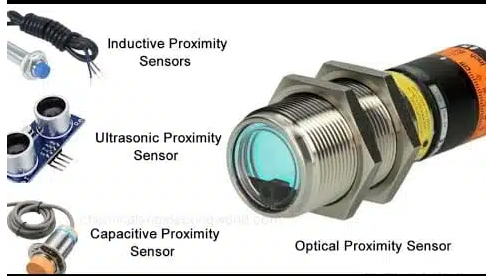
These detect the presence or absence of an object without any physical contact. These types of sensors deploy optical, sound, or magnetic techniques to sense the object's existence. Common proximity sensors may include capacitive, inductive, and ultrasonic sensors.
Applications
· Automation
· Robotics
· Mobile phones
· Object alignment industries
· Aircrafts
· Parking sensors in cars, etc.
Infrared Sensors
These types of sensors are radiation-sensitive and can identify infrared rays in the surroundings. There are two key types of IT sensors: transmissive and reflective. In the transmissive types of sensors, the IR LED and the photodiode (IR detector) are held in such a way that they face each other. When any object passes between them, the IR sensor detects the object.
Moreover, in reflective sensors, the transmitter and the IR detector are positioned adjacent to each other. So, when any object comes in front of the sensor, the infrared radiations are detected by the receiver.

Applications
· Industrial Assembly
· Medical gas measurement technology
· Missile guidance
· Night vision devices
· Remote sensing
· Robots
· Mobile phones
· Automobiles
Ultrasonic Sensors
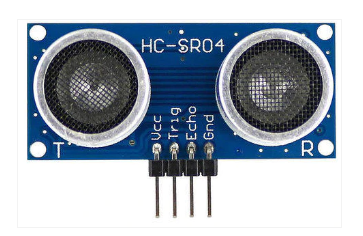
Ultrasonic sensors utilize sound waves beyond the range of human hearing for distance measurement and object detection. They are non-contact devices that utilize the time of flight of the sound to measure the object's distance. The ultrasonic sensors employ the Doppler effect to measure the velocity of the object.
Applications
· Parking technology
· Anti-collision safety systems
· Robotic obstacle detection system
· Vehicle detection for car wash
· Liquid level control
· People detection for counting
Touch Sensors
Touch sensors detect the sensation of touch of a finger, stylus, or physical contact. They have revolutionized the user interfaces in electronic gadgets. There are two main types of sensors: capacitive and resistive. Modern touch sensors are mostly capacitive due to their high rate of accuracy.

Applications
Some of the sensor applications are discussed below:
· Screens of smartphones, tablets, interactive displays
· Laptop touchpad
· Touch-sensitive appliances
· Bank ATMs
· Ticket vending machines
· Digital photo printers
· Electronic kiosks in convenience stores
· Remote control panels
Color Sensors
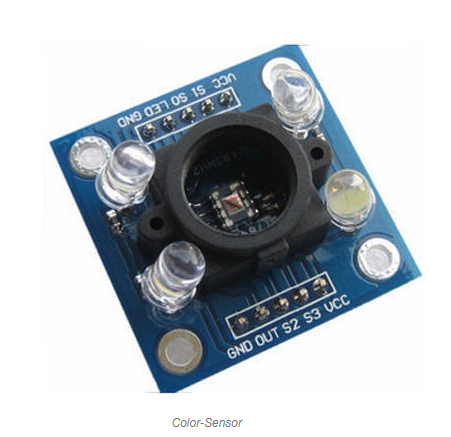
These types of sensors detect the color of the object in RGB scale (red, green, and blue). As the detectors are equipped with the filters, they reject the unwanted infrared or UV light. The working principle of color sensors is quite straightforward. The light emitted from the transmitter of the photoelectric detector is reflected back from the object. With the help of the receiver, the color sensor then detects the object's color.
Applications
· Color Identification processes
· Image processing
· Textile
· Automation
· Industrial object tracking
· Printing
· Manufacturing Industries
· Food inspection
· Pharmaceuticals
Position Sensors
A position sensor is used to detect the absolute movement or displacement of an object. There are two main types of these types of sensors. One is linear; the other is rotatory. The linear position sensors convert the straight-line movements into output signals for processing. Likewise, the rotatory ones transform the angular movements into the output signals. Both can be contacting or non-contacting detectors.

Applications
· Motorsport
· Elevators
· Moving ramps
· Agriculture
· MRI machines
· Bridge positioning
· CCTV camera positioning
· Printing process control
Humidity Sensors
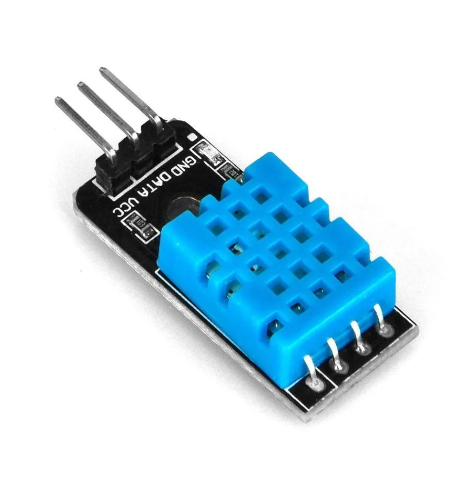
Humidity sensors measure the moisture content and also the air temperature. They are mainly deployed in weather monitoring systems and climate control processes. Common types are capacitive, resistive, and thermal conductive.
Applications
· HVAC systems
· Agriculture
· Biomedical
· Weather stations
· Meteorology
· Automobiles
· Food processing
· Domestic appliances
· Printers
RFID Sensors
RFID detectors are radio frequency identification sensors that employ radio signals to track objects, pets, and even people. They are as small as the rice grains and can be Implanted under the skin as ID cards. Manufacturers and distributors also implement RFID technology into their supply chain. The companies that adopt RFID have improved their inventory count from 63% to 95%.

Applications
· Contactless payment methods
· Pet and livestock tracking
· Inventory management
· Asset tracking
· Access control in security systems
· Cargo and supply chain logistics
· Shipping
· Healthcare
· Oyster cards
· Tap and go credit card payments
Wearable Sensors
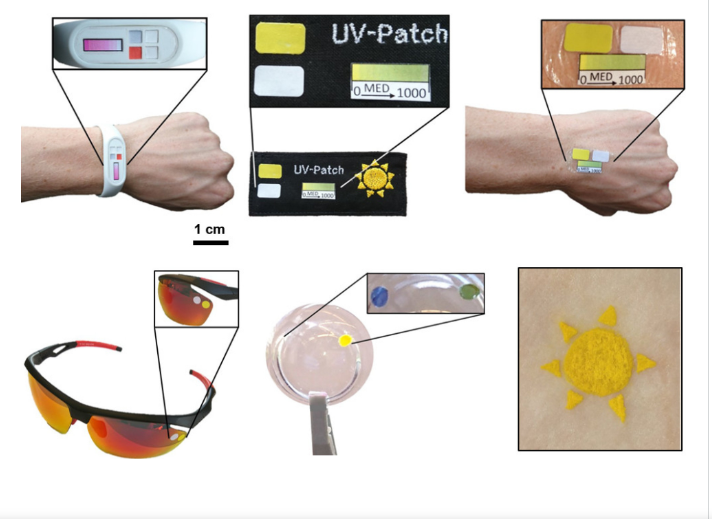
These are the modern types of sensors that are directly attached to human skin, accessories, or clothing to monitor various health parameters. By employing miniature circuits or advanced techniques, they offer a convenient alternative to clinical diagnostics. Almost 30% of Americans use wearable devices for health monitoring.
Common sensors include GPS, medical, internal measurement unit IMU, and optical detectors. They are handy and can be integrated into smartphones, jewelry, sunglasses, watches, and more devices.
Applications
· Digital health monitoring systems
· Navigation systems
· E-textiles
· Fitness tracking
· Improved athletic training
· Activity tracking
Conclusion
In short, sensors play an indispensable role in integrating technology into our everyday lives to enhance human experience. The impact of different types of sensors is transformative in offering efficiency, safety, and convenience across diverse industries.
 Ling Tianhao
Ling Tianhao, with 20 years in R&D, has developed his skills at one of America's top ten chip manufacturers.His expertise goes beyond chip design and quality control, showing a strong understanding of PCB technology. His comprehensive knowledge of microchip and PCB technologies establishes him as a versatile professional in the semiconductor industry, driving advancements and solving complex problems.


04 September 2026
05 August 2026
04 July 2026
06 June 2026
07 May 2026