
Understanding Circuit Protection Components
Circuit protection components are elements integral to an electrical system, designed and developed to protect against the hazards of overvoltage and overcurrent.
Wondering how do they work? The circuit protection components swiftly detect and stop excessive current flow or electrical surges, ensuring the durability of the devices and safety of users without compromising on functionality and performance.
Following are the five key benefits of circuit protection components:
1. Safety: By immediately interrupting the power supply in case of high voltage or excessive current, circuit protection components prevent fires and safeguard users from electric shock.
2. Equipment Protection: By ensuring that the electronic device only works when current and voltage are optimal, circuit protection components extend the life of electronic devices while reducing the need for repairs or replacements.
3. Reliability: Circuit protection components ensure that devices continue to operate effectively and efficiently, delivering the performance and functionality expected of them time and again.
4. Compliance: Circuit protection components help manufacturers abide by regulatory and safety standards, enabling them to avoid penalties and lawsuits.
5. Cost Savings: From minimizing downtime and lowering the risk of damage to expensive equipment, circuit protection components deliver high long-term cost savings.
7 Widely Used Circuit Protection Components
There are several circuit protection components tailored to tackle specific challenges in electrical systems. Following are the six most commonly used:
1. Fuse
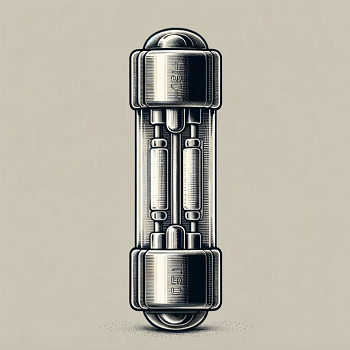
A fuse comes to the rescue in case there is excessive current. It works by melting an internal conductor to stop the current flow. Fuses are widely used in commercial, residential, and automotive applications and need to be replaced once they have burned out.
2. Circuit Breakers
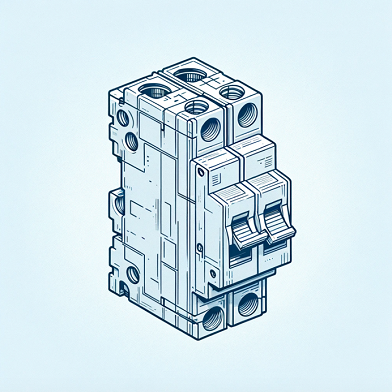
Automatic electrical switches that protect electrical circuits from damage caused either by short circuit or excessive voltage, circuit breakers are widely used in a variety of home and industrial applications.
They can be reset either manually or automatically and are generally categorized into two types: miniature circuit breakers for low-current circuits and molded case circuit breakers for higher current.
3. Surge Protectors
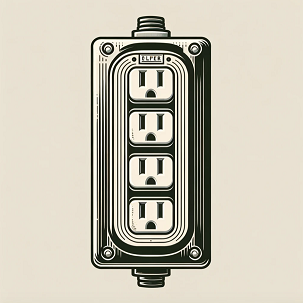
Surge protectors safeguard electrical devices from a surge in voltage. They divert the excess voltage into the grounding wire, playing a critical role in safeguarding electronic appliances.
4. Thermal Cutoffs
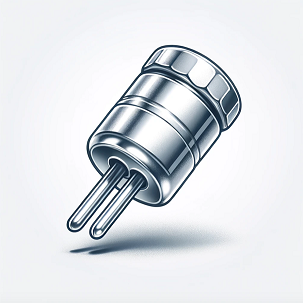
Thermal cutoffs break the flow of current in case of overheating. They help prevent fire and are widely used in a number of home and commercial appliances, including coffee makers and hair dryers to name a few.
5. Varistors
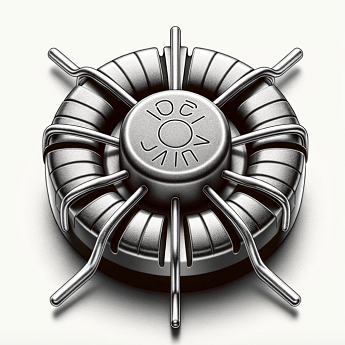
Varistors protect the circuits against harmful and high voltage spikes by changing their resistance. They are widely used in power supplies and communication devices.
6. Ground Fault Circuit Interrupters
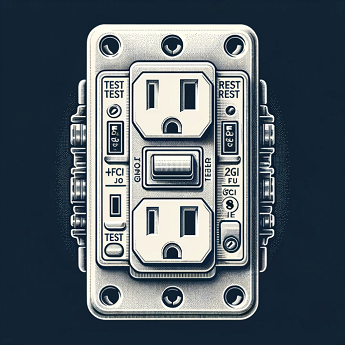
Upon detecting a current leakage, Ground Fault Circuit Interrupters break the electrical circuit, safeguarding people from electric shock and fires. They are primarily used in environments where there’s a risk of electric current coming in contact with water such as bathrooms and kitchens.
All the above-listed circuit protection components deliver specific benefits, ranging from preventing fires and equipment damage to ensuring compliance and enhancing performance. It all boils down to choosing the ones ideal to cater to your needs.
Choosing the Right Circuit Protection Component
Opting for the right circuit protection component is not as straightforward as it seems. After all, it requires a holistic understanding of the system’s needs, risks involved, and environmental conditions.
Here are six steps to help you navigate your journey of choosing the optimal circuit protection component:
Begin with your requirements: Start off by clearly understanding the electrical characteristics of the system, including the nature of the loads, current, and voltage. This is because different applications require different types of protection
2. Check
environmental conditions: The operational environment of electrical
system matters. This is why you need to account temperature, humidity,
and exposure to chemicals when making a choice.
3. List
and minimize risks: From voltage spikes to water exposure, the risks to
electronic devices and applications are aplenty. This is why you must
identify and mitigate the various risks early on.
4. Consult manufacturer’s guidelines: The manufacturer’s guidelines will give you a clear idea of a component’s specifications. Make sure you go over them and adhere to them. It will help you maximize the lifespan of the devices and enjoy optimal performance.
5. Understand regulatory requirements: Compliance with industry standards and regulations is important. So, make it a point to opt for tried and tested, proven, and certified components.
6. Plan for the future: Make sure you look beyond the current requirements and account for any potential future upgrades or expansions you might have to make. It will help you choose the circuit protection components that will save you time, energy, and money in the long run.
By thoroughly analyzing all these different factors, you can make an informed decision pertaining to building and using electrical systems that are safe, efficient, and reliable.
The Takeaway
In today’s fast-paced world driven by digital and technological innovations, circuit protection components stand as the silent guardians working behind to scenes to make sure devices work seamlessly and safely day in and day out. This is why it is essential that you as a user of electronic devices choose and use these components wisely. Here's to pioneering and powering the future—safely.
 Ling Tianhao
Ling Tianhao, with 20 years in R&D, has developed his skills at one of America's top ten chip manufacturers.His expertise goes beyond chip design and quality control, showing a strong understanding of PCB technology. His comprehensive knowledge of microchip and PCB technologies establishes him as a versatile professional in the semiconductor industry, driving advancements and solving complex problems.


04 September 2026
05 August 2026
04 July 2026
06 June 2026
07 May 2026