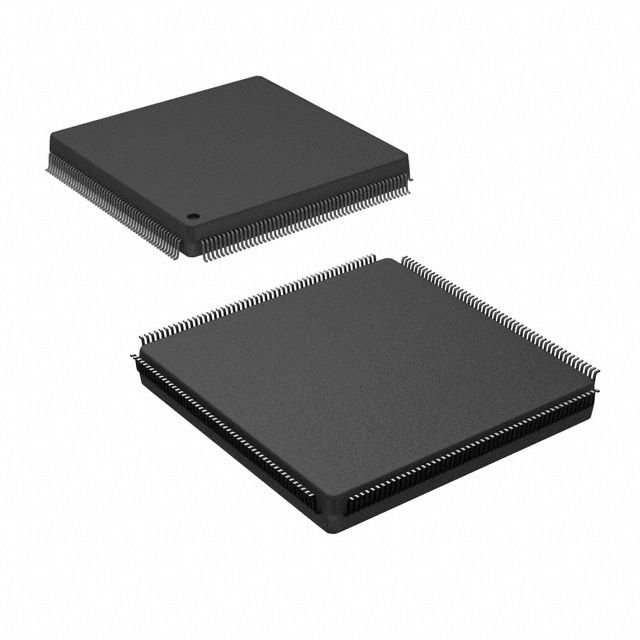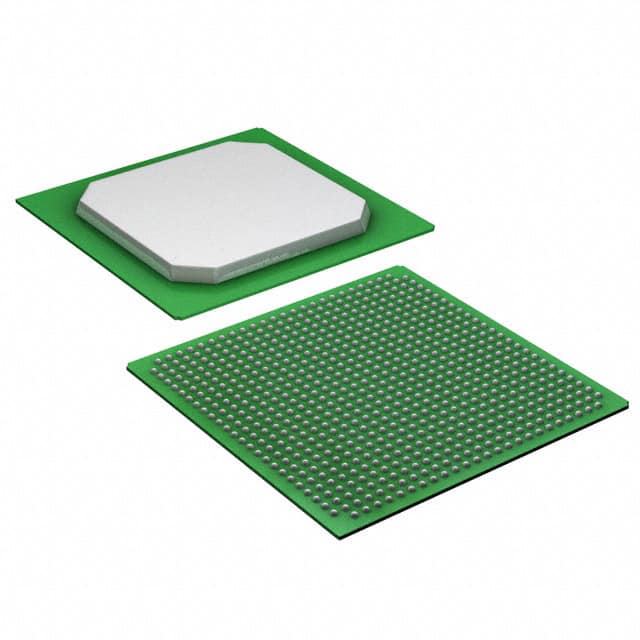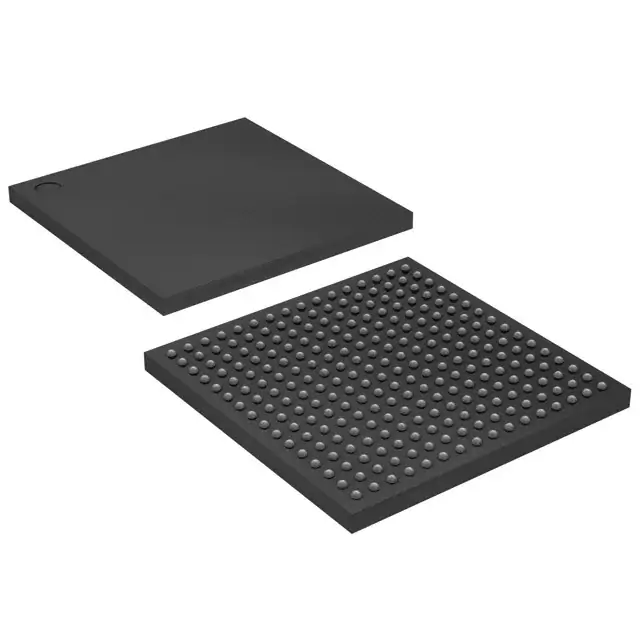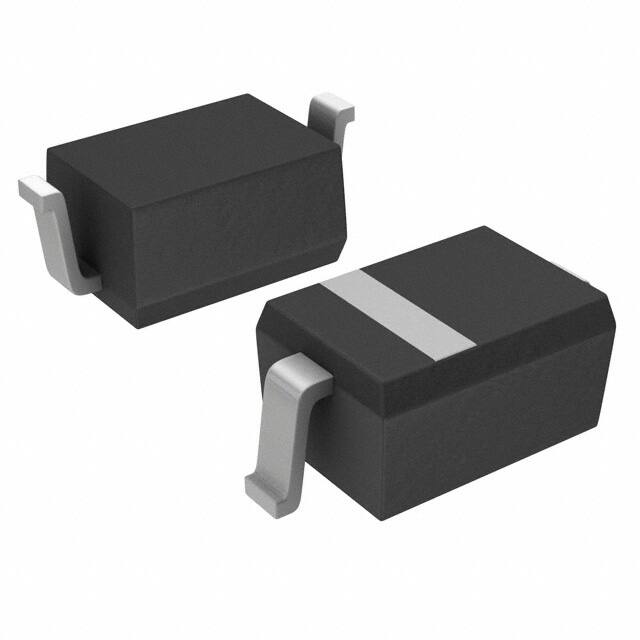
What are Circuit Boards?
Beginners and those who are less technologically-inclined don’t exactly run into a lot of jargon going about their daily routine though we’re willing to go out on a limb and say the vast majority have at least heard the word “circuit board” before. Yet, even if the term isn’t entirely new, you still might not really know about the ins and outs. So, with that said… what exactly is a circuit board?
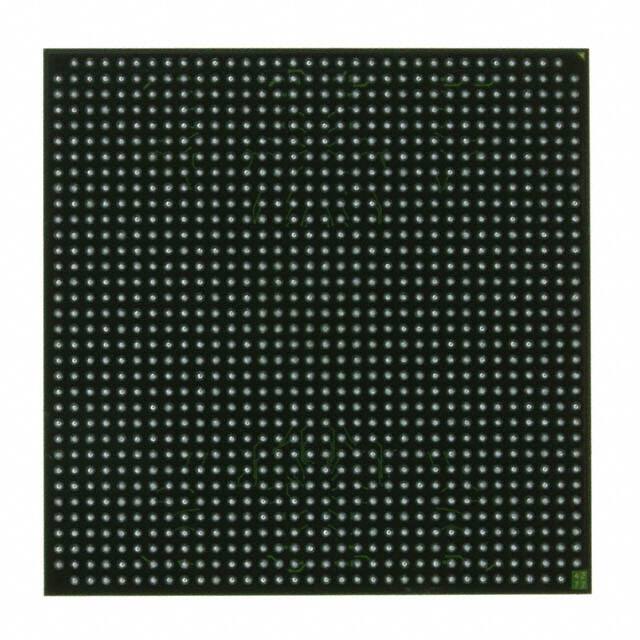
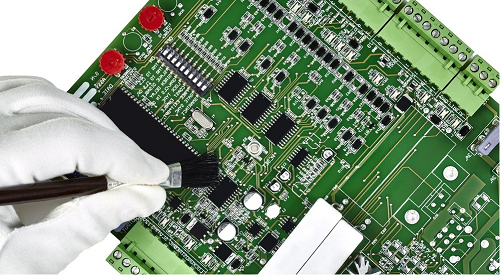
Well, circuit boards - or printed circuit boards depending on how pedantic you want to be - are flat, rigid bases made of non-conductive materials, such as fiberglass or epoxy resin, with conductive pathways etched/printed onto their surfaces. These pathways, typically made of copper, connect electronic components to form functional circuits.
Of course, it’s not quite as plug-and-play as it may seem. Just one PCB can require hundreds, or even thousands, of components depending on what it’s meant to do. Capacitors, power management ICs, input sensors, microcontrollers - all this and more goes into even the most bare bones boards.
Components & Composition of a Circuit Board
While it’s nice to appreciate the sheer number of components that go into forming a PCB’s framework, it’s even better to delve into just what those individual pieces are and do. After all, you can’t truly get how devices function without fully understanding how they’re constructed!
To dive right in, at the heart of every circuit board lies a complex network of components, carefully arranged and interconnected to perform specific tasks. There are five main stars that run the show: resistors, which regulate the flow of electricity; capacitors, which store/release energy; diodes, which control the direction of current flow; transistors, which switch (or amplify) electronic signals; and integrated circuits, which contain a complex arrangements of electronic components that perform specialized functions.
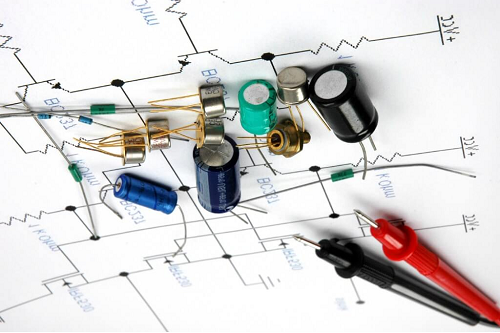
In addition to these active components, circuit boards also put some passive components to good use. Inductors and transformers, which store and release energy in magnetic fields, are two of the biggest. However, several others also make appearances including connectors, switches, and other interface devices that allow the circuit board to interact with external components or systems.
Without these components, a PCB’s worth next to nothing. But make no mistake: the composition of a circuit board is just as important to its functionality. Delving into the full details would take a whole second guide, considering how different this looks for different board, but here’s a quick overview to get you familiar.
l Substrate - Both the figurative and literal base of the circuit board. It gives mechanical support and acts as insulation between the layers of conductive material. Common substrate materials include fiberglass, epoxy resin, polyimide, and polyester, just to name a few. The choice of substrate material depends on a variety of factors such as strength, thermal properties, flexibility, etc.
l Conductive Traces - Complex, copper-composed patterns etched into to the PCB’s substrate. Together, they form the pathway of conductive layers that establishes a connection between components mounted on the circuit board and carry electrical signals between them.
l Vias - Little holes drilled through the circuit board that connect conductive traces on different layers. This increases the efficiency of signal/connection routing between components.
l Pads - Areas of exposed copper used for soldering electronic components.
l Silkscreen - A layer of printed markings on a PCB’s surface that’s used for marking/labeling component placement, indicating polarity, and sharing other information that might come in handy during the assembly process.
l Solder Mask - Essentially a protective layer applied over the conductive traces to prevent unintended electrical connections and damage from corrosion. It’s typically made of epoxy-based polymer and is (at least usually) applied only to the surface of the circuit board, leaving exposed the areas where components are soldered.
Types of Circuit Boards
Those who regularly use any sort of electronic gear or gadgets already know that not all devices are created exactly equal. And circuit boards are much the same! Each is undoubtedly unique, although PCBs can be broadly broken down into five main categories with recognizable strengths, weaknesses, and specific applications:
Single-Sided PCBs
These are the most basic boards of the bunch. Super simplistic, they have a conductive layer on only one side of the substrate while the other side’s used for mounting other electronic components. Due to their simplicity and straightforward construction, these kinds of circuit boards are usually rather cost-effective although they do tend to possess limited routing options.
Double-Sided PCBs
Unlike their single-sided counterparts, double-sided PCBs are boards that have conductive traces on both sides with circuits connected through vias. Though still approachable and easy to use, these circuit boards offer more space for components and improved routing flexibility. This makes them suitable for circuits of beginner to intermediate complexity.
Multi-Layer PCBs
As the term would suggest, multi-layer PCBs consist of multiple layers of conductive material sandwiched between insulating layers. This, in turn, creates a three-dimension board that allows for significantly more routing options and space for components than either single or double-sided PCBs.
These additional layers are great for complex circuits with high-density components, making them ideal for advanced electronic devices including things like smartphones, PCs, medical equipment, and gaming systems. However, this intricate construction and increased manufacturing complexity result in a far steeper price tag.
Flexible PCBs
Flexible PCBs, or flex circuits as they’re sometimes called, offer a unique alternative to traditional circuit boards. Instead of being made from rigid fiberglass, ceramic, or similarly un-bendy materials, they’re composed of stuff like flexible polyimide. That might not seem advantageous, yet this composition yields boards that can bend, twist, and take on all sorts of shapes and contours; something beyond crucial for innovative designs and applications. Wearable electronics and foldable smartphones, anybody?
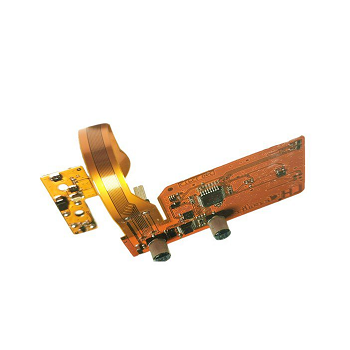
They offer particularly solid space utilization, as they can be folded or rolled to fit into tight spaces, and they often provide enhanced reliability due to reduced solder joints and interconnects. As great as flexible circuit boards can be, however; they do come with the trade-off of higher manufacturing costs and specialized fabrication processes.
Rigid-Flex PCBs
Surprising to probably no one, rigid-flex PCBs are boards that combine rigid and flexible substrates into a single unit. They consist of rigid sections interconnected by more flexible ones, a hybrid construction that offers the best of both worlds while avoiding some of each type’s disadvantages.
Excelling in applications where space is limited, and durability’s of the essence, this type of PCB enables designers to create complex circuit board layouts that readily adapt to device’s physical constraints while maintaining structural integrity. Aerospace and automotive systems as well as medical devices utilize rigid-flex circuit boards a lot as a result!
Unfortunately, there are no “perfect” PCBs, though, and rigid-flex isn’t an exception to the rule. Designing and manufacturing are still an issue here, even more so than more conventional alternatives as they require specialized expertise and equipment. Assembly and testing can cause problems too, calling for a very attentive eye and extra quality control measures.
Circuit Board Design Considerations
Okay, all board types clearly have their time and place. But how are you supposed to know which is best for you and your project or device? It takes a great deal of knowledge about both your intended application and various PCBs to truly figure that out, although here are a few considerations to help you along:
l Component Placement: Placing elements on a board isn’t as simple as merely shoving them wherever they’ll fit. Components’ arrangement on the circuit board is part of what determines how they’ll interact with each other and with any external interfaces you use. Keep this in mind and place them accordingly. Certain board types may offer more flexibility in this, allowing for optimal layout and integration, so shopping around is also highly encouraged!
l Space Constraints: Have a lot of room or very little? Don’t forget to take note of the physical size and form factor requirements of your device/application before doing (or purchasing) anything. Depending on what you’re working with, you may opt for a rigid, flexible, or rigid-flex PCB to ensure the circuit board fits within your desired housing.
l Environmental Factors: Operating environment matters, thus it’s your job to carefully consider the conditions in which your board will be used. Temperature, humidity, vibration, and mechanical stress are just a few that can impact board performance. Take care to pick a PCB type that’ll withstand the environmental challenges of your application and any unforeseen circumstances that could pop up.
l Cost: As much as we all may dislike the fact, cost is always a consideration when buying anything. As such, don’t get sticker blind and factor in overall cost of design, fabrication, and assembly for each type of circuit board. While flexible and rigid-flex PCBs can be wonderful boons, they do typically involve higher price tags than traditional rigid ones. Weigh how important performance, functionality, and cost is to you and go with the option that balances these factors the best. Note: don’t break the budget!
 Paul George
Richard Electronics guest author, a Mechatronics engineer and a professional researcher, designer, developer and manufacturer for 3d Cad and PCB. I believe in efficiency, effectiveness and quality of work, and my aim is to provide complete one-roof solutions to complex mechanical and electrical design systems. I have a well-equipped lab with state-of-the-art technology for doing research and providing.


06 June 2026
07 May 2026
17 April 2026

02 April 2026
02 April 2026