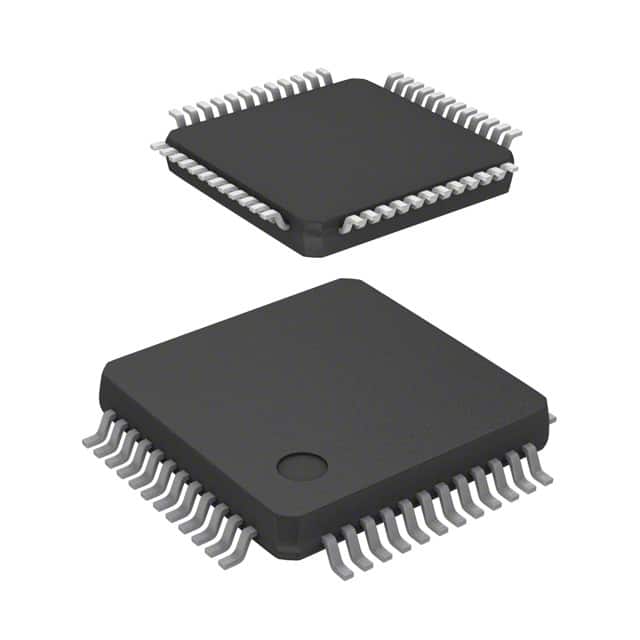
What is a semiconductor?
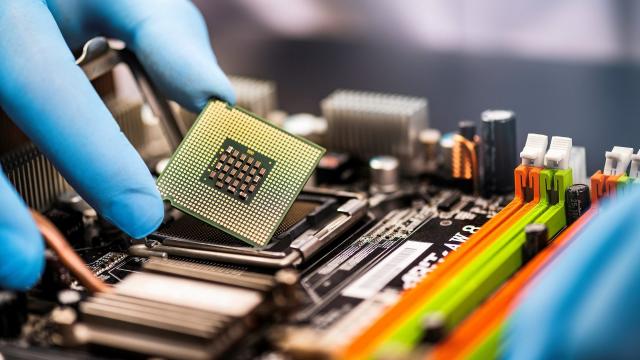
A semiconductor is a material with conductivity that is between a conductor and an insulator and room temperature, whose conductivity can be controlled within this range. As its name implies, a semiconductor is a material that conducts current only partly.
In a semiconductor, the valence electrons (outer-shell electrons) are more loosely bound than in insulators but not as free to move as in conductors. This property allows semiconductors to exhibit intermediate electrical conductivity.
The most commonly used semiconductor material is silicon, although other materials like germanium, gallium arsenide, and others are also used.
Semiconductors play a crucial role in electronic devices and technology. By manipulating the electrical properties of semiconductors through processes like doping (introducing specific impurities) and controlling temperature, it is possible to create electronic components such as transistors, diodes, and integrated circuits. These components form the foundation of modern electronic devices, including computers, smartphones, and various other electronic systems. The ability to control and amplify electrical signals in semiconductors is fundamental to the field of electronics.
What is a microchip?
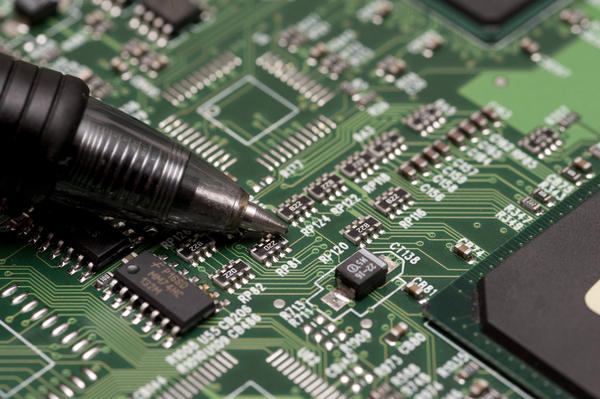
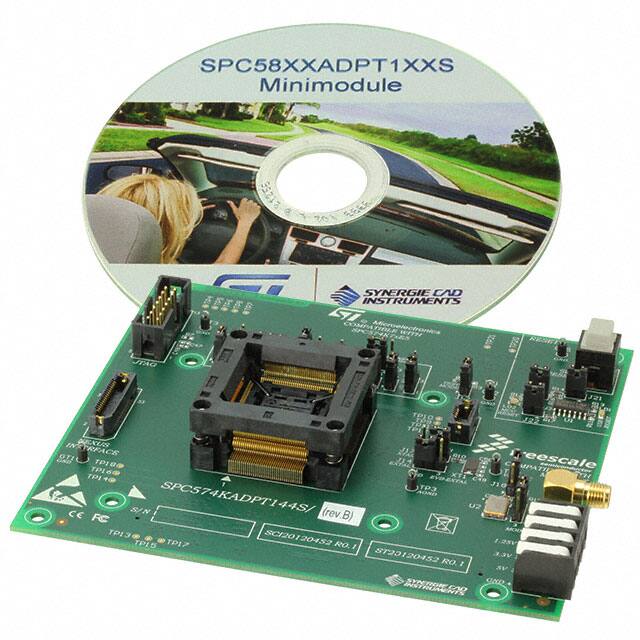
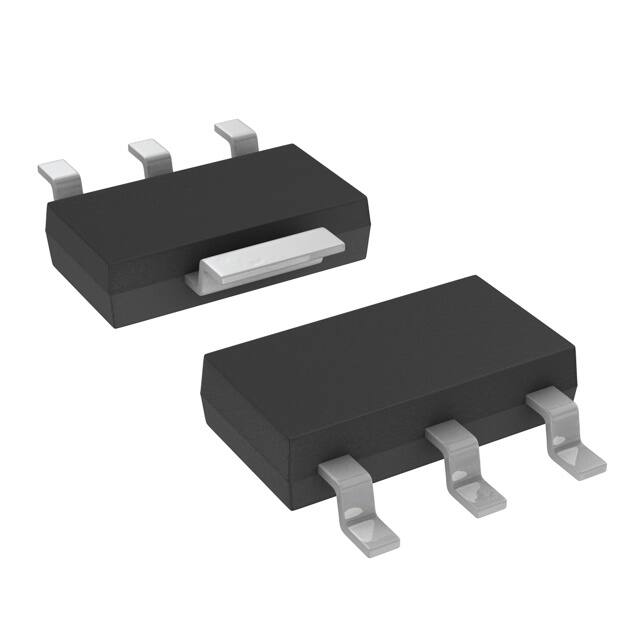
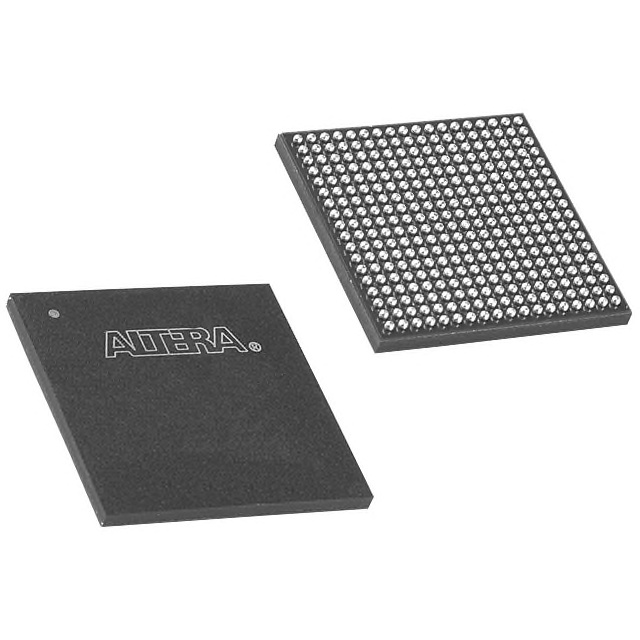
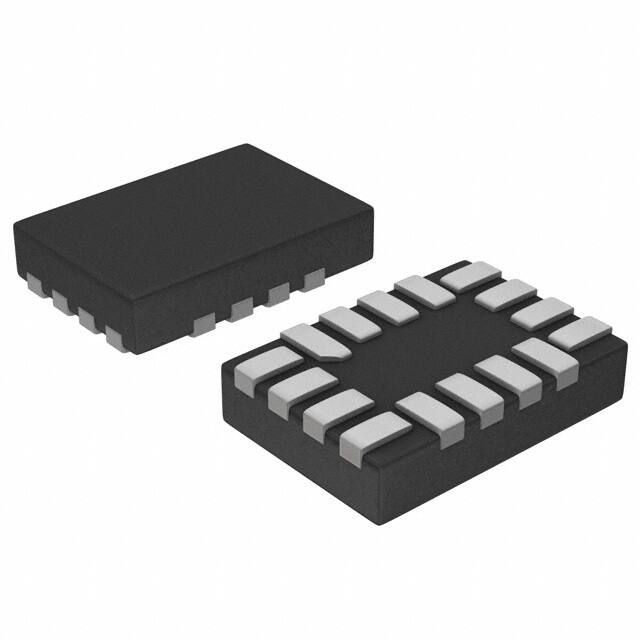
A microchip, also known as an integrated circuit (IC) or simply a chip, is a diminutive electronic device crafted from semiconductor materials, commonly silicon. Functioning as a comprehensive electronic circuit, a microchip encapsulates millions or even billions of minuscule electronic components—such as transistors, resistors, capacitors, and diodes—etched onto a solitary chip.
Microchips are the fundamental building blocks of contemporary electronics and find extensive application in an array of electronic devices, ranging from smartphones and computers to medical equipment and automotive systems. They endow these devices with the requisite intelligence and functionality to execute their designated tasks.
The miniaturization of electronic components onto a single chip contributes to heightened functionality, diminished size, and enhanced efficiency. Microchips are meticulously engineered to fulfill specific roles, including data processing, information storage, function control, and communication with other devices.
The manufacturing of microchips involves a sophisticated process known as semiconductor fabrication or chip fabrication. This intricate procedure encompasses the deposition of multiple material layers onto a silicon wafer, precision etching of desired circuit patterns, and interconnecting the components to achieve the intended functionality.
In essence, a microchip represents a compact electronic device that consolidates diverse electronic components onto a solitary chip. Serving as the core and cognitive center of contemporary electronic systems, microchips empower the diverse functionalities of the myriad devices integral to our daily lives.
What is an integrated circuit?
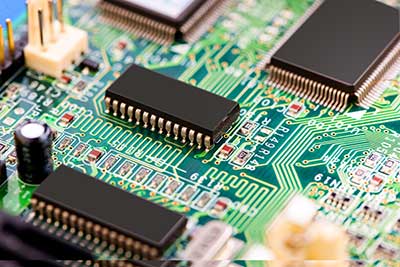
An integrated circuit (IC), commonly known as a microchip or chip, is a compact assembly of electronic components fabricated on a semiconductor material, typically silicon. It integrates multiple electronic functions onto a single chip, creating a complete electronic circuit. These functions can include transistors, resistors, capacitors, diodes, and other components.
Integrated circuits are classified into various types based on their complexity and functionality:
Analog Integrated Circuits (ICs): These circuits process continuous signals and are commonly used in applications such as amplifiers, oscillators, and voltage regulators.
Digital Integrated Circuits (ICs): These circuits operate on discrete binary signals (0s and 1s) and are fundamental to digital electronics. Examples include microprocessors, memory chips, and digital signal processors.
Mixed-Signal Integrated Circuits: Combining both analog and digital components, these circuits are used in applications that require both signal processing and control functions.
The manufacturing of integrated circuits involves a complex process known as semiconductor fabrication or chip fabrication. This process includes deposition, etching, and layering of materials on a semiconductor wafer to create the desired circuit patterns.
Integrated circuits are the foundation of modern electronics, enabling the development of sophisticated and compact electronic devices such as computers, smartphones, medical devices, and more. Their continuous development has led to the creation of increasingly powerful and efficient electronic systems.
Distinguishing Factors:
While semiconductor, microchip, and integrated circuit are closely related, their differences lie in their definitions and scope:
·Semiconductor refers to the material itself, which has specific electrical conductivity characteristics.
·Microchip is the physical result of etching electronic components onto a semiconductor wafer, forming a complete circuit.
·Integrated circuit is a broader term encompassing the concept of miniaturizing multiple electronic components onto a single chip.
Conclusion:
In summary, semiconductors serve as the foundation for electronic devices, while microchips, or integrated circuits, are the physical embodiment of complete electronic circuits on a semiconductor wafer. Integrated circuits, in turn, enable the functionality of modern electronic devices by integrating multiple electronic components onto a single chip. Understanding these differences is crucial for anyone interested in technology, as it provides a deeper appreciation for the intricate world of electronics that surrounds us.
- 1.
What is a semiconductor?
A semiconductor is a material with conductivity that is between a conductor and an insulator and room temperature, whose conductivity can be controlled within this range.
- 2.
What is a microchip?
A microchip, also known as an integrated circuit (IC) or simply a chip.
- 3.
What is an integrated circuit?
An integrated circuit (IC), commonly known as a microchip or chip.
View More
 Paul George
Richard Electronics guest author, a Mechatronics engineer and a professional researcher, designer, developer and manufacturer for 3d Cad and PCB. I believe in efficiency, effectiveness and quality of work, and my aim is to provide complete one-roof solutions to complex mechanical and electrical design systems. I have a well-equipped lab with state-of-the-art technology for doing research and providing.

06 October 2026

04 September 2026
05 August 2026
04 July 2026
06 June 2026