The most common example of an electric relay is the mechanism behind switching on the TV. You simply press the ON/OFF button on the remote, and the relay in the Television receives this signal and lets the device act accordingly. There is a wide range of electric relay applications, including automobiles, home automation, DIY projects, measurement equipment, etc.
The primary purpose behind using electric relays is to ensure the smooth operation of different devices. While working on electromagnetism or solid-state action principles, electric relays allow the automation process and protect the equipment from various damages. This comprehensive blog post will discuss the basics of an electric relay. So, scroll down and let us guide you about the topic.
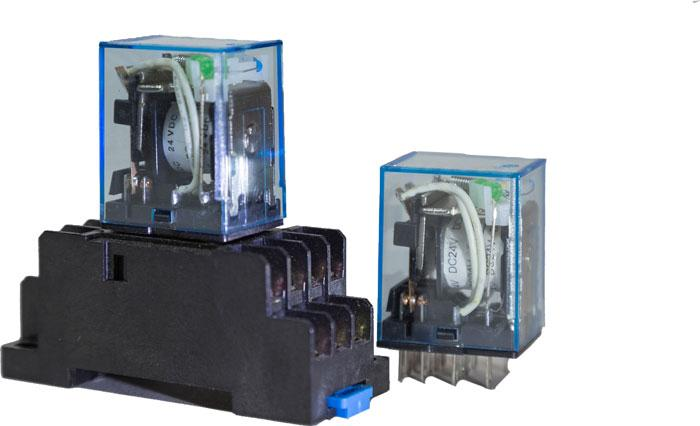
Basic Components of an Electric Relay
First of all, we’ll let you learn about the basic components of an electric relay. Here are the fundamental parts:
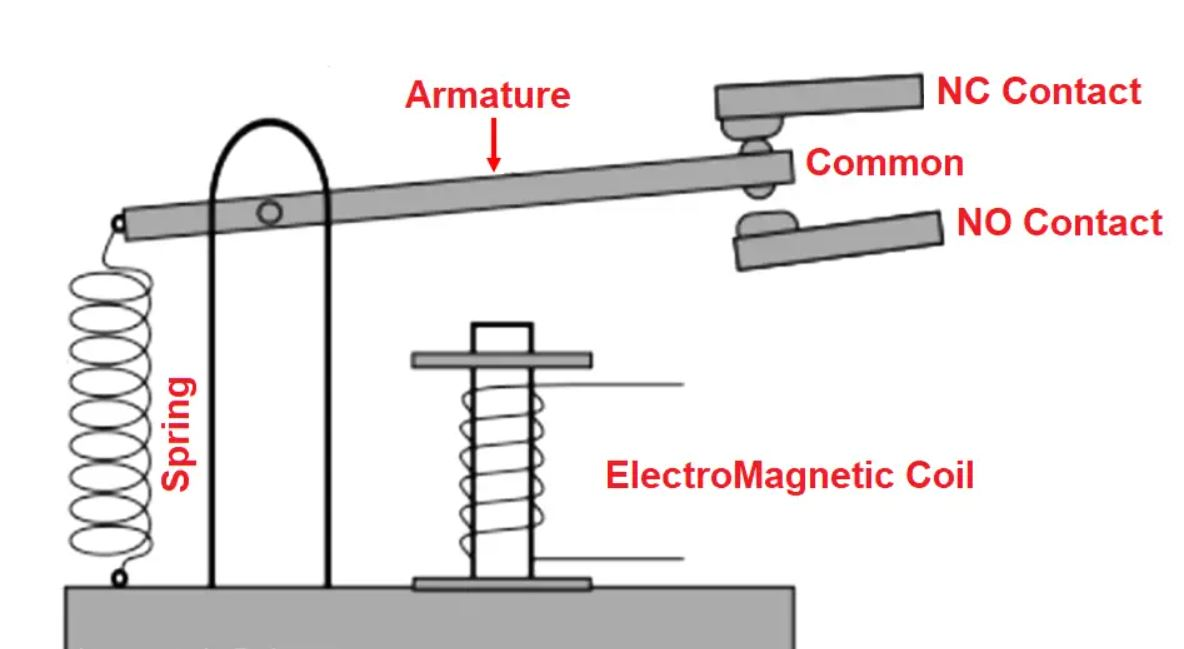
Coil
The coil is the primary component of an electric relay that helps perform the function. When the electrical current passes through the coil, it generates a magnetic field around it. This magnetic field is essential for the relay's functioning. It starts the armature's movement and triggers the contact switching. The common types of coils are copper wound, foil, and bifilar coils.
Armature
The movable component in an electric relay is the armature. It acts in response to the magnetic field generated by the coil. It transfers the magnetic field into the mechanical motion, further making or breaking the connection between the relay’s contacts. There are three types of armature: soft iron, hard iron, and balanced armature.
Contacts
Relay contacts are the switch elements that open or close in response to the relay's operation. Two primary contact configurations are:
● Normally Open (NO): NO contacts remain open in the de-energized state. It closes the contacts as soon as the relay is activated.
● Normally Closed (NC): In the de-energized state, NC contacts are closed, opening when the relay is activated.
Relay contacts are usually made of Silver, Gold, and Silver Cadmium Oxide.
Relay Switching Mechanism
Electromagnetic relays use mechanical systems for contact switching. As the coil generates a magnetic field, it attracts the armature, which further physically moves the contacts to make or break the circuit. Similarly, solid-state relays use semiconductor components, like thyristors or triacs, for contact switching.
Types of Electric Relays
Let’s discuss some of the prominent types of electric relays for a better understanding:
Electromagnetic Relays
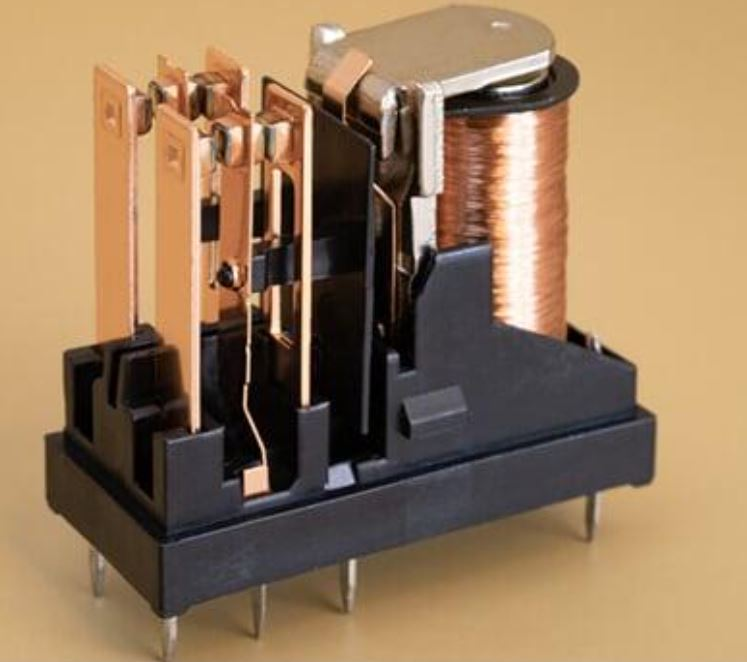
Electromagnetic relays are the most common type of electric relay. Working on the basic principle of electromagnetic induction, when current flows through the coil, it generates a magnetic field, moving the armature connected to the set of contracts. Further, this movement completes or interrupts the electric circuit.
This type consists of coils made of copper wire, armature, a movable iron, and contracts made of material with good conductivity. Electromagnetic relays are usually used in systems where we need precise control, like control panels, power distribution networks and automation systems.
Solid-State Relays
Solid-state relays (SSRs) are without any moving parts and use semiconductor devices like triacs, thyristors, and optocouplers. Soon after voltage application, optocouplers transfer signals to triacs, which further complete the circuit. Due to the lack of moving parts in the systems, SSRs are more reliable and fast compared to electromagnetic relays.
Solid-state relays usually have higher cost and are quite vulnerable to overvoltage situations. They are used particularly in applications requiring rapid and frequent switching, including temperature control systems and semiconductor manufacturing equipment.

Thermal Overload Relays
Another major type of electric relay is the thermal overload relay, specifically designed for motor protection. In any equipment, its function is to monitor the motor’s temperature and disconnect the power supply in case of overheating. This way, thermal overload relays prevent motor burnouts and ensure a safe operation.
Thermal overload relays have a bimetallic strip or a temperature-sensitive element placed within the motor windings. Any industry heavily relied on electric motors use this type of electric relays. They are commonly used in mining, manufacturing, and HVAC systems.

Operating Principles of an Electric Relay
Relay Activation
Relay activation is the important process that initiates the switch's action within the relay and allows it to control electrical circuits. This activation is achieved through a two-step mechanism: energizing the coil and generating a magnetic field.
Contact Switching
Contact switching is when the relay's contacts change their state, either closing or opening the electrical circuit. This transfer of contacts occurs as the result of the movement induced in the armature by the generated magnetic field.
Relay Coordination and Setting
Relay coordination holds significant importance in electrical system designs. The relays are to be set so that they perform seamlessly in any situation in a coordinated manner. Especially in complex systems, coordination is quite vital as one fault could lead to another, making the whole system dysfunctional.
Time Delay and Sensitivity Setting
Time delays in relays are the response to different types of faults in the system. The selection and adjustment of time delay settings depend on the type and location of the relay in the system. Meanwhile, relay sensitivity means fault current or voltage level required to actuate the relay. Adjusting sensitivity settings ensures that the relay responds appropriately to faults.
Final Words
In a nutshell, an electric relay is something without which the concept of a smooth operation of an electric system remains incomplete. Across many applications in several industries, electric relays control the electrical circuits while making the system work or stop depending on the conditions. Understanding the key components, prominent types, and operating principles is crucial to learning the basics of an electric relay.
 Sophie
Sophie, an accomplished electronic designer from Canada, holds a Bachelor's degree in Electrical Engineering from McGill University. She excels in developing advanced control systems that integrate mechanical, electrical, and computer engineering technologies. Her expertise particularly lies in working with electronic components. Notably, she has distinguished herself in conducting research involving Arduino and Raspberry Pi.


04 September 2026
05 August 2026

04 July 2026

06 June 2026

07 May 2026