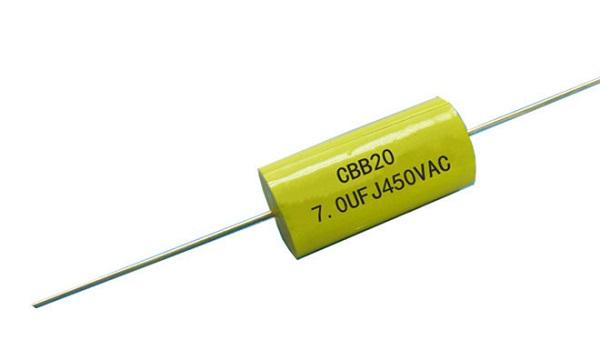
Capacitors are passive electronic components that store electrical energy in an electric field between conductors. When voltage is applied across the conductive plates of a capacitor, electric charge accumulates on the plates, getting stored in the electric field generated between the plates. Polypropylene capacitors harness the high dielectric strength and low dielectric losses of polypropylene polymer to construct the capacitor's dielectric.
Compared to other plastic film dielectrics like polyester and polystyrene, polypropylene has superior high-frequency characteristics. This makes polypropylene film capacitors well-suited for high-frequency applications such as radio frequency (RF) tuning circuits, bypass/coupling applications, snubbers, and timing circuits. They also see usage for filtering applications in power supplies due to their self-healing properties.
The structure of a polypropylene capacitor consists of a small sheet of PP film metalized with thin layers of aluminum, zinc, or alloy on both sides to serve as conductive plates. The metalized PP film is layered into a winding, inserted between external contacts, and encased in an insulating material to create the final capacitor component.
II. Properties and Characteristics of Polypropylene Capacitors
Here are some of the fundamental properties and characteristics of polypropylene capacitors:
Temperature Stability
Polypropylene capacitors exhibit excellent temperature stability from -55°C to +125°C for Class 1 dielectrics and from -55°C to +105°C for Class 2 dielectrics. This high working temperature range allows their use in demanding environments. The capacitance deviation over temperature is very low, from -5% to +5% over the rated temperature range.
High DC Voltage Capability
Polypropylene film has a high dielectric strength, allowing polyprop capacitors to operate at DC working voltages of up to 1,000V. Some specialized versions can work up to 30,000 volts DC. This makes them suitable for applications requiring high-voltage operation.
Low Leakage Current
Due to the highly insulating properties of polypropylene, these capacitors have very low leakage current levels, even at elevated voltages and temperatures. The typical leakage current is less than .01CV or 1μA, whichever is smaller.
Self-Healing Properties
Polypropylene capacitors exhibit a degree of self-healing. Defects such as minor internal shorts can often heal themselves, extending the capacitor's lifespan. This improves overall reliability.
High-Frequency Capability
Polyprop capacitors have low inductance and resistance properties, allowing them to perform well at high frequencies up to several hundred megahertz.
Long-Service Life
Properly applied polypropylene capacitors can achieve service lifetimes from 50,000 to 100,000 hours before failure. Their margin of safety allows prolonged exposure to applied working voltages and temperatures.
Low Dissipation Factor
Polypropylene has an inherently low dissipation factor, meaning it has low dielectric losses and higher efficiency. The dissipation factor of polypropylene film is below 0.001 at 1kHz at 25°C. This aids in low heat buildup.
Frequency Stability
Polyprop capacitors also exhibit good capacitance stability across a wide frequency range, varying less than 2% from 120Hz to 1MHz at room temperature. This makes them suitable for both high and low-frequency AC applications.
Long Shelf Life
Properly stored polypropylene film and foil capacitors can have a ten-year shelf life. They experience prolonged aging compared to other dielectrics. Their electrical parameters change over time in storage between uses.
Vibration Resistance
With their rugged rolled or stacked film and foil construction, these capacitors can handle vibration levels of up to 20G without damage or significant changes in electrical properties. They work well in mechanically demanding environments.
Pulse Handling Ability
Polyprop capacitors withstand high rates of voltage rise (dv/dt), making them appropriate for pulsed power and snubber applications. Certain high-current types handle peak pulse discharges into low impedances.
Safety
They contain no hazardous or toxic compounds like PCBs. Polypropylene dielectric material is biologically inert, meaning polyprop capacitors pose no health or environmental risks even if damaged.
Wide Capacitance Range
Available in capacitance values from a few picofarads all the way up to several microfarads. Unique designs go up to hundreds of microfarads. This allows circuit designers flexibility.
Moisture Resistance
The polypropylene dielectric provides excellent resistance to moisture and environmental contamination. Polyprop caps function well in high humidity conditions.
Small Size
Polypropylene's high dielectric strength allows the capacitors to achieve high capacitance values in a small package. This makes them useful for miniaturized modern circuit designs.
As such, polypropylene capacitors offer an optimal combination of electrical characteristics that make them versatile and reliable components for various electric circuit applications. Their properties satisfy the requirements of many demanding AC and DC uses across consumer, industrial, automotive, and specialized markets. Polyprop caps provide design engineers with a robust film dielectric capacitor option.
III. Advantages of Using Polypropylene Capacitors
Polypropylene capacitors, also known as PP capacitors, are a popular type of capacitor used in many electronic devices and circuits. They have several key advantages that make them suitable choices in various applications.
Durability
One of the main advantages of polypropylene capacitors is their durability. The plastic polypropylene film used as the dielectric in these capacitors is powerful and flexible. PP capacitors can withstand mechanical stress, vibrations, and extreme temperatures without damage or significant degradation. They can last for many years, even in demanding conditions.
Temperature Stability
Polypropylene capacitors maintain their electrical properties over a wide temperature range. Their capacitance varies from -55°C to +125°C, making them an exceptionally stable choice for circuits operating in hot or cold environments. The dielectric material has a very high melting point, further improving thermal endurance.
Low Leakage Current
Polypropylene film has excellent insulating properties and exhibits very low conductivity. This results in a shallow leakage current in PP capacitors that use this film. Leakage current contributes to energy loss and self-heating, so a low value here improves efficiency and longevity.
Self-Healing Properties
Minor defects or thin spots in the dielectric film can occasionally occur in capacitors over time or due to damage. PP capacitors display a degree of self-healing - when a localized breakdown occurs, the materials redistribute to isolate the fault. This prevents catastrophic failures and extends the usable lifespan.
High-Frequency Response
With low dielectric losses even at high frequencies, narrow tolerances, and low parasitic inductance, polypropylene capacitors maintain impedance and perform well into the hundreds of kilohertz or low megahertz range. This makes them suitable for filtering, tuning, and matching circuits.
Moisture Resistance
Polypropylene film is hydrophobic, meaning it repels water. This gives PP capacitors excellent moisture and humidity resistance. They can be used in wet environments or outdoor applications while maintaining stable electrical properties, reducing the risk of short circuits due to condensation or water ingress.
Low Equivalent Series Resistance
A capacitor's equivalent series resistance (ESR) includes all internal losses and impedances. A low ESR ensures an efficient capacitor. Polypropylene's very low dielectric losses, good conductivity electrodes, and benign temperature coefficient of resistance result in excellent ESR performance.
RoHS Compliance
Polypropylene and other materials used in PP capacitors do not contain hazardous substances banned under the Restriction of Hazardous Substances (RoHS) directive. This makes them suitable for new electronic devices and "green" applications.
IV. Applications of Polypropylene Capacitors
Some of the most common applications of polypropylene capacitors are:
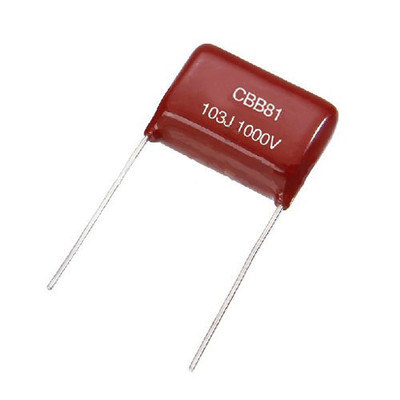
Power Supplies
One of the most common uses of polypropylene capacitors is in power supply units for electronic devices. They are often used as filtering capacitors to convert the pulsating DC output from rectifiers into smooth DC. Polypropylene offers low dielectric losses even at high frequencies, making them well-suited for switch mode power supplies and other high current applications. Their self-healing property allows them to fix small faults caused by momentary voltage surges.
Timing/Snubber Circuits
The low dielectric absorption and high allowable frequency range of polypropylene capacitors allow them to perform well in timing circuits. They can also be used in snubber applications to suppress voltage transients in inductive loads and improve electromagnetic compatibility in electronic devices. Their stability over temperature fluctuations makes them reliable in these applications.
Audio Circuits
Polypropylene capacitors are valued for their musicality, transparency, and neutral sound in audio applications like crossover networks and noise filters. The low dielectric losses, high purity, and stability of polypropylene film make it well-suited for high-fidelity audio circuits that demand minimal signal coloration.
Medical Devices
Reliability and stability over long service life are critical for applications like defibrillators and patient monitoring equipment. Polypropylene capacitors meet the safety requirements for medical devices, given their self-healing ability, flame-retardant polypropylene film, and extended lifetime at temperature extremes.
High-Temperature Applications
With their ability to operate at temperatures up to 105°C, polypropylene capacitors can reliably perform in high-temperature environments found in automotive under-hood electronics and geophysical equipment used for well-logging. The low moisture absorption of the polypropylene film also makes it suitable for these humid conditions.
V. Conclusion
A polypropylene capacitor is a film capacitor that utilizes polypropylene film as the dielectric between its conductive plates. Polypropylene capacitors have several desirable characteristics, including high-temperature tolerance, low dielectric losses, exceptionally low leakage current, high insulation resistance, and high capability to withstand voltage transients, which make them well-suited for applications requiring stable and reliable capacitance across a broad range of operating temperatures and frequencies. Their self-healing property allows them to operate reliably even after experiencing dielectric breakdown events. Polypropylene’s inherent properties result in capacitors with excellent performance parameters that suit them in demanding electrical and electronic applications.
- 1.
What are the typical applications of polypropylene capacitors?
Polypropylene capacitors find extensive use in electronic circuits where high stability, low losses, and reliability are crucial, making them versatile components in various industries such as telecommunications, automotive, industrial electronics, and consumer electronics.
- 2.
How do polypropylene capacitors compare to other types of capacitors in terms of performance and reliability?
Polypropylene capacitors excel in terms of low dielectric losses, high insulation resistance, stability over a wide temperature range, and excellent self-healing properties, which contribute to their high performance and reliability in various electronic applications. While they may have limitations in terms of capacitance values compared to some capacitor types, their overall performance and longevity make them a preferred choice in many electronic circuits.
 Ling Tianhao
Ling Tianhao, with 20 years in R&D, has developed his skills at one of America's top ten chip manufacturers.His expertise goes beyond chip design and quality control, showing a strong understanding of PCB technology. His comprehensive knowledge of microchip and PCB technologies establishes him as a versatile professional in the semiconductor industry, driving advancements and solving complex problems.


04 September 2026
05 August 2026
04 July 2026
06 June 2026
07 May 2026