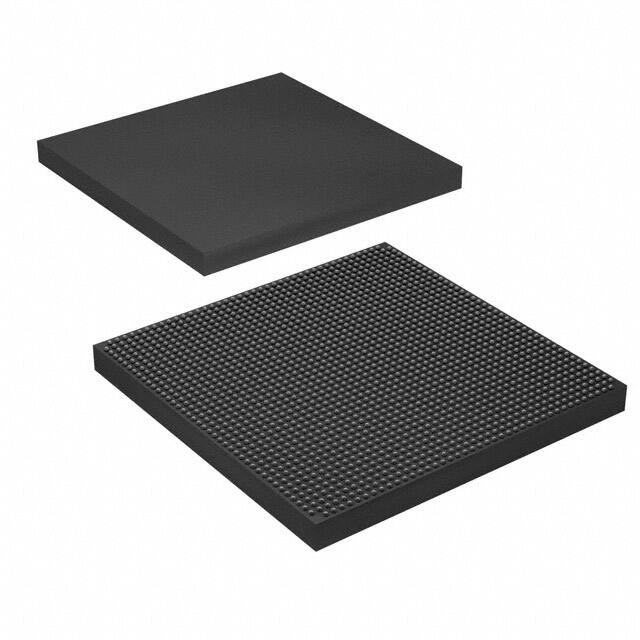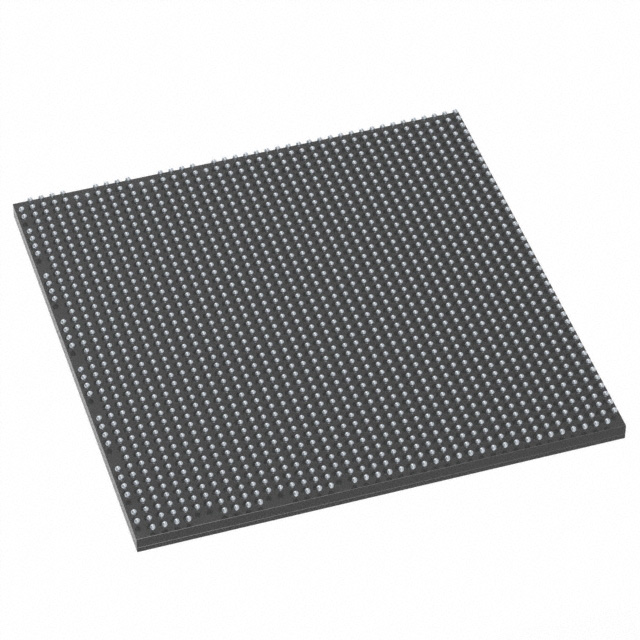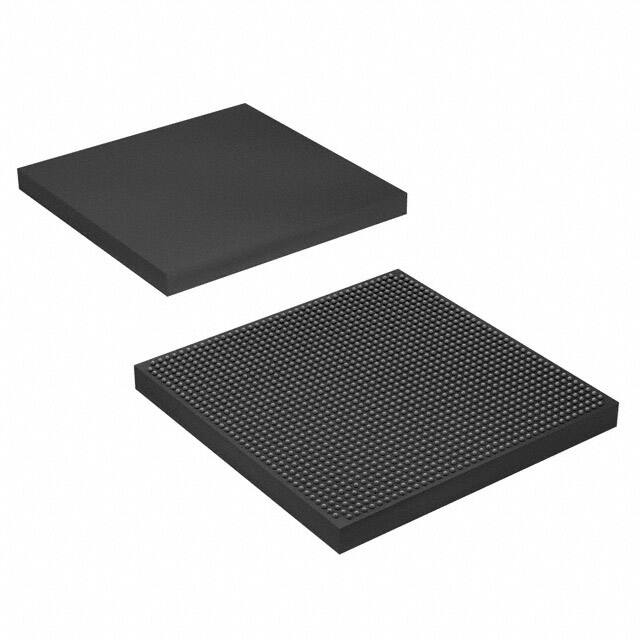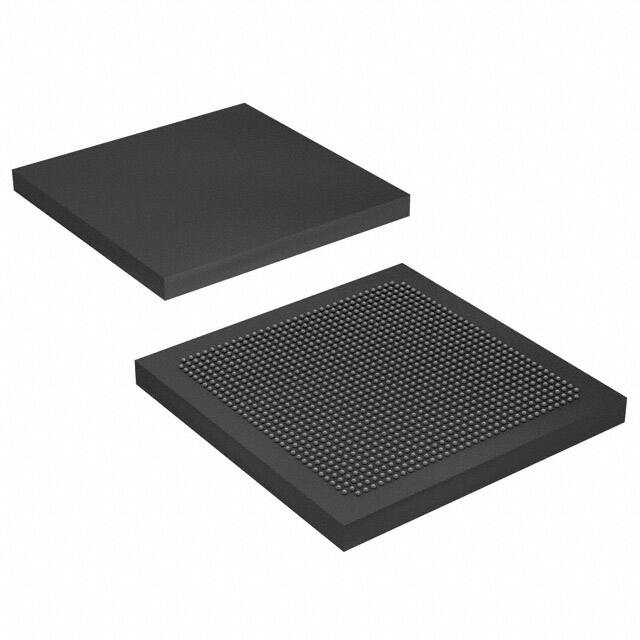
It also includes 13,455,360 total RAM bits for big tasks. With 400 I/O pins, it works with many devices. Its voltage range is between 0.95V and 1.05V. This makes it very flexible to use. It performs well in signal processing, embedded systems, and IoT. It can handle temperatures from -40°C to 100°C. This makes it reliable in many different places.
Key Takeaways
The XC7A200T-2FBG676I FPGA has 215,360 logic cells and 740 DSP slices. This makes it great for hard designs and quick signal tasks.
Its low-power use is great for battery-powered devices. It saves energy in IoT and small computer systems.
The FPGA allows updates without stopping the system. This helps in projects that need regular changes.
The Vivado Design Suite makes designing easier. It gives tools to test and improve FPGA projects well.
The XC7A200T-2FBG676I is fast and affordable. It is a good pick for medium projects needing speed and features.
Overview of the XC7A200T-2FBG676I
Specifications and architecture
The XC7A200T-2FBG676I FPGA has strong features and smart design. It includes 215,360 logic cells for building complex circuits easily. There are 740 DSP slices for fast math operations. Its 13,455,360 block RAM bits store lots of data. The FPGA has 400 I/O pins to connect with many devices. It uses Xilinx's 28nm Artix-7 technology for high performance and low power use. This makes it great for energy-saving projects.
Unique features and capabilities
The XC7A200T-2FBG676I handles fast signal processing very well. It has tools like PLLs and MMCMs for accurate timing. Its low-power design works well in battery-powered gadgets. You can update parts of the FPGA without stopping the whole system. This is helpful for projects needing regular changes or improvements.
Comparison with other Xilinx 7 series FPGAs
The XC7A200T-2FBG676I balances cost and performance. Kintex-7 FPGAs are faster but cost more money. Spartan-7 FPGAs are cheaper but have fewer features. The XC7A200T-2FBG676I is perfect for mid-level projects needing good speed and fair pricing.
Performance of the XC7A200T-2FBG676I
Logic cells and design complexity
The XC7A200T-2FBG676I has 215,360 logic cells. These cells help create complex circuits easily. You can use it for fast data systems or custom hardware. Its design makes building and fixing projects simpler. Big projects are easier to manage without losing speed.
DSP slices for signal processing
This FPGA has 740 DSP slices for quick math tasks. It handles jobs like image editing, sound filtering, and data analysis. These slices make sure tasks are fast and accurate. If your project needs signal processing, this FPGA works great.
Memory capacity and bandwidth
The FPGA has 13,455,360 bits of block RAM. This memory stores temporary data for tasks like video or AI work. Its fast memory transfer avoids delays in your design. It handles big memory tasks without slowing down.
Applications of the XC7A200T-2FBG676I
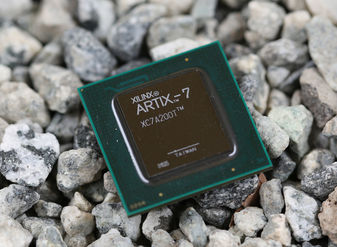
Signal processing and high-speed data
The XC7A200T-2FBG676I is great for signal processing tasks. Its 740 DSP slices handle math operations quickly and easily. This makes it perfect for image editing, sound filtering, and data analysis. If your project needs fast data transfer, this FPGA works well. Its strong design ensures low delays and steady performance. The high memory bandwidth helps manage big data without slowing down.
For industries like telecom or multimedia, this FPGA is very useful. It processes signals in real time with speed and accuracy. Its ability to handle fast data streams makes it ideal for advanced communication systems or video projects.
Embedded systems and IoT
The XC7A200T-2FBG676I is great for IoT and embedded systems. Its low-power design saves energy, perfect for battery devices. You can connect sensors, motors, and modules using its flexible I/O pins. This makes it useful for smart homes, factories, and wearable tech.
You can update the FPGA as your project changes. This is helpful for IoT devices needing new features or updates. With this FPGA, your designs stay current and work well over time.
Hardware prototyping and custom designs
The XC7A200T-2FBG676I makes hardware prototyping easier. Its many logic cells and flexible design help test ideas. You can create custom processors, AI tools, or special communication systems. This FPGA gives you the freedom to try different setups.
You can change parts of the FPGA without stopping the whole system. This is helpful for testing and improving designs.
Tip: Use the FPGA’s guides and support tools to make your work easier.
Development Tools for the XC7A200T-2FBG676I
Vivado design suite compatibility
The Vivado Design Suite is the main tool for working with the XC7A200T-2FBG676I. It helps you design, test, and fix FPGA projects. You can use its easy interface to make designs or write code in VHDL or Verilog. It also has tools like timing checks and power-saving options to improve your project.
Vivado lets you split big projects into smaller parts. This makes it easier to handle complex designs with the XC7A200T-2FBG676I. Breaking tasks into steps simplifies the process and saves time.
Learning curve for new users
If you're new to FPGAs, learning Vivado with the XC7A200T-2FBG676I might seem hard. But Xilinx offers many guides to help you start. You can find tutorials, videos, and sample projects to learn the basics.
Begin with simple projects to understand the tools better. Over time, you can try harder designs. Vivado’s user-friendly interface and helpful wizards make learning easier. With practice, you’ll feel more confident using the software.
Documentation and support resources
Xilinx provides detailed guides for the XC7A200T-2FBG676I and Vivado. These include manuals, notes, and step-by-step instructions for different tasks. They explain everything clearly to help you succeed.
You can also join online forums and communities for extra help. The Xilinx Developer Community is a great place to ask questions and learn from others. If you face problems, the Xilinx support team is ready to assist.
Cost and Value of the XC7A200T-2FBG676I
Price comparison with similar FPGAs
The XC7A200T-2FBG676I has a fair price in the Xilinx 7 series. Kintex-7 models are faster but cost more money. Spartan-7 devices are cheaper but have fewer features. This FPGA balances price and performance, great for mid-level projects.
If you need fast processing and good memory on a budget, this FPGA is a smart choice. It handles complex designs while staying efficient. Compared to others, it offers more DSP slices and logic cells for the price. This gives you better value for your money.
Features and performance value
The XC7A200T-2FBG676I has features that match its cost. It includes 215,360 logic cells and 740 DSP slices for tough tasks. Its low-power design saves energy, cutting costs for power-sensitive projects. The 13,455,360 bits of block RAM handle big data like AI or video work.
This FPGA works well for many uses, like signal processing or IoT. You can update parts of it without stopping everything. This keeps your designs flexible and ready for future changes. It saves time and effort over the long term.
Suitability for budget-conscious projects
For tight budgets, the XC7A200T-2FBG676I is a great pick. It combines good performance with affordability, perfect for startups or small businesses. You get fast processing and steady performance without spending too much.
Its energy-saving design lowers costs, especially for battery devices. It works with the Vivado Design Suite, making development easier and cheaper. If you want a quality FPGA at a fair price, this one is a good option.
Note: Check your project needs to see if the XC7A200T-2FBG676I fits your budget and goals.
Pros and Cons of the XC7A200T-2FBG676I
Advantages of the FPGA
The XC7A200T-2FBG676I has many benefits for hardware design. Its 215,360 logic cells help build complex circuits easily. The 740 DSP slices handle tasks like image editing and data analysis quickly. This makes it great for industries like telecom and multimedia.
Its low-power design saves energy, making it good for battery devices. You can update parts of the FPGA without stopping the whole system. This is helpful for projects needing regular updates or changes.
The FPGA works in temperatures from -40°C to 100°C. This makes it reliable in different places, like factories or outdoors. It also works with the Vivado Design Suite, which helps with designing and fixing problems easily.
Limitations and drawbacks
The XC7A200T-2FBG676I has some downsides too. Its performance might not be enough for very advanced projects. For example, Kintex-7 FPGAs are faster but cost more money.
Learning to use the Vivado Design Suite can be hard for beginners. Even though there are guides, new users might find it confusing at first.
The price might also be high for small projects or hobbies. Lastly, its 400 I/O pins may not be enough for designs needing many connections.
Note: Think about your project needs to see if this FPGA fits your goals and budget.
The XC7A200T-2FBG676I combines good performance, flexibility, and fair pricing. It has many logic cells, saves energy, and handles DSP tasks well. This makes it great for signal processing, IoT, and small systems. But, learning to use it and fewer I/O pins might be hard for beginners or very complex projects.
Recommendation: Choose this FPGA for mid-level projects needing flexible features. It is affordable and works well for many tasks. Check your project needs to see if it fits.
- 1.
Why is the XC7A200T-2FBG676I good for IoT projects?
This FPGA uses little power and has flexible I/O pins. You can easily connect sensors and other parts. It also allows updates, so your designs stay useful in the future.
- 2.
Can beginners work with the XC7A200T-2FBG676I?
Yes, but it takes practice. Xilinx offers guides, videos, and examples to help. Start with easy designs in the Vivado Design Suite to learn step by step.
- 3.
How does the XC7A200T-2FBG676I compare to Kintex-7 FPGAs?
Kintex-7 FPGAs are faster but cost more money. The XC7A200T-2FBG676I is a better choice for mid-level projects because it balances speed, features, and price.
- 4.
Is the XC7A200T-2FBG676I good at saving energy?
Yes, it uses Xilinx’s 28nm Artix-7 technology. This gives it strong performance while using less power. It works well for devices that run on batteries.
- 5.
Which industries use the XC7A200T-2FBG676I the most?
Industries like telecom, multimedia, and IoT use it a lot. Its DSP slices and memory handle tasks like signal processing and real-time data well.
View More
 Paul George
Richard Electronics guest author, a Mechatronics engineer and a professional researcher, designer, developer and manufacturer for 3d Cad and PCB. I believe in efficiency, effectiveness and quality of work, and my aim is to provide complete one-roof solutions to complex mechanical and electrical design systems. I have a well-equipped lab with state-of-the-art technology for doing research and providing.

04 July 2026

06 June 2026

07 May 2026
17 April 2026

02 April 2026