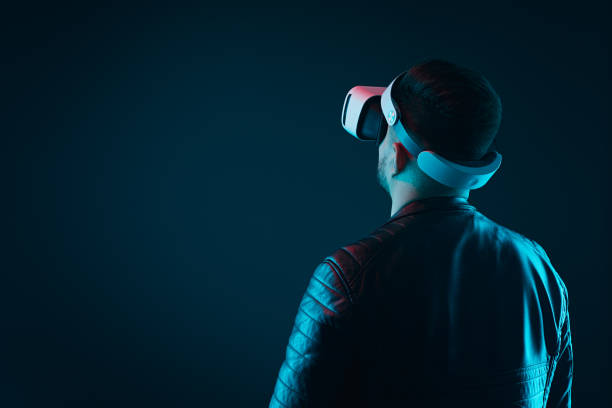
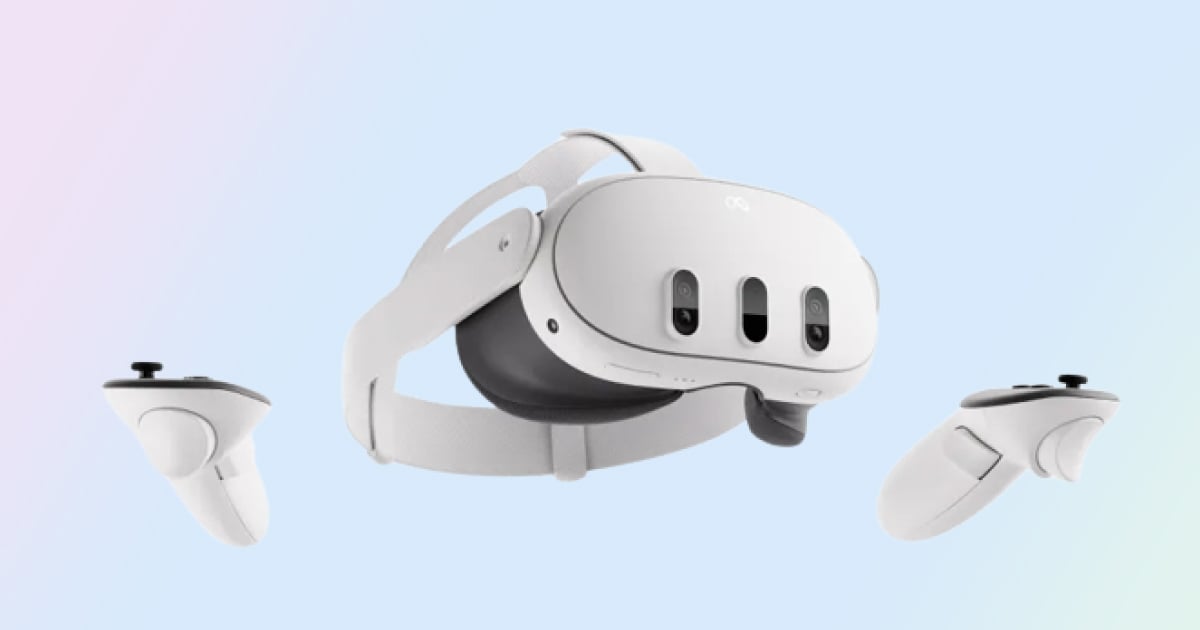
Within every VR headset - all the way from the affordable, mass-appeal Quest 2 to the ridiculously overpriced and niche Vision Pro - is a sophisticated array of sensors that are engineered to track our movements, gestures, and surroundings in real time. Truly the beating heart of all virtual reality headsets; without them, none of this tech would even exist.
But how exactly does any of this work? What sensors can one expect to find in VR devices today, and why are they so important? Continue reading below for a closer look at the seven types of sensor tech powering our headsets and learn what all they’re bringing to the table.
What Sensors Are Used In VR?
As any good developer or electronics engineer would agree, everything is significantly more complex under the surface. All our modern headsets may look (and oftentimes feel) like there’s nothing inside those slick, minimalistic cases, yet nothing could be further from the truth. In reality, several components and sensors are crammed inside, working in tandem to make virtual reality feel, well, reality! What precisely drives each of these headsets’ function varies from model to model, however here are a few of the big categories you’ll likely find shared across the board:
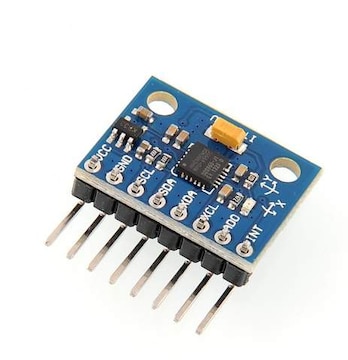
l Inertial Measurement Units: Inertial Measurement Units (or just IMUs for those who appreciate brevity) are little sensors that track headset orientation and motion through space. Rather than one single thing, these consist of several different devices, including accelerometers, gyroscopes, and sometimes even magnetometers. Respectively measuring linear acceleration, velocity, and orientation relative to the Earth's magnetic field, these various IMUs are among the most crucial sensors in a VR device since they‘re responsible for head tracking. These sensors directly influence how motion sick we get, too, so they also make a big difference in accessibility.
l Optical Tracking Systems: Optical tracking systems are largely what you might expect from the title. These systems utilize infrared light to precisely track a headset’s general movement and exact position within the space you’re playing. VR products all handle these in unique ways, although most that use optical tracking systems rely on cameras or other external sensors placed at certain intervals around a player’s space to capture the position of IR markers contained in the headset. This adds more setup time and can create challenges in certain environments, but it also helps tracking be more accurate with lower latency. Increasingly, more and more headsets are ditching these systems but they’re still widely used in roomscale VR setups for better immersiveness and freedom of movement.
l Inside-Out Tracking: Sometimes referred to as self-contained tracking, this integrates sensors directly into the VR headset itself, thus eliminating the need for other kinds of optical tracking devices or markers. Cameras and depth sensors that are embedded in the headset take on the job instead, continuously scanning wearers’ surroundings to determine orientation relative to objects in the environment. Inside-out tracking offers increased mobility and convenience, especially over more cumbersome optical trackers, making it ideal for sets like the Quest or mobile VR.
l Environmental Sensors: While these aren’t the most critical sensors out of everything on this list, they are becoming more important as time goes on. Increasingly, advanced VR headsets are using these to their advantage, employing ambient light sensors and proximity sensors to increase both the comfort and quality of experiences. Ambient light sensors adjust the display brightness based on the surrounding lighting conditions, optimizing visual comfort and image quality. Proximity sensors detect the presence of the user's face or hands near the headset, enabling power-saving features like automatic display activation or deactivation when the headset is worn or removed.
Applications and Benefits of VR Sensors
Every electronic component within a piece of tech has a part to play in making the whole better and that’s even truer for VR. After all, in such a small, intentionally-designed package, there really is no room for unnecessary bulk. Each and every included sensor does truly bring a ton to the table, though. Just a few of these benefits and best applications?
l More immersive games and experiences. Headsets would be nothing if they weren’t capable of tracking how we move or where we’re looking, so we owe everything to sensors. Remember, sensor tech is what enables precise head and motion tracking. These components allow us to virtually move with them, turn, gesture, “pick up” objects, and sometimes even receive touch feedback about them - helping us see, experience, and actively interact with electronic environments much like we do real ones. This goes beyond improving gameplay; it fully immerses us!
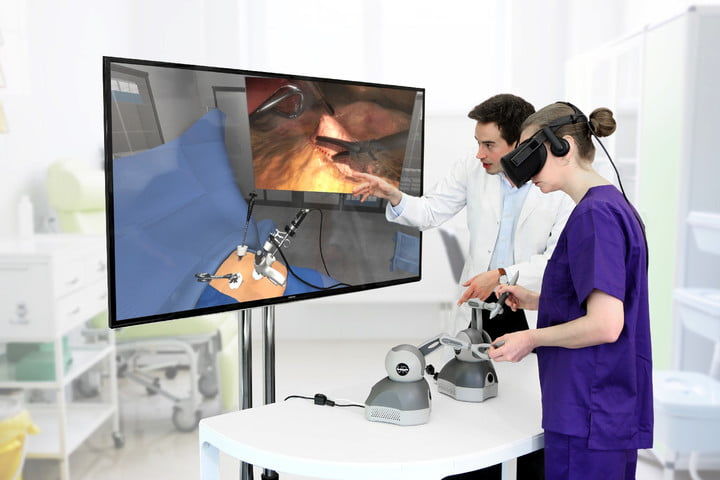
lProfessional training. Gaming is obviously one of the huge draws of VR, yet it’s far from the only one. Indeed, industries like healthcare, defense, and education are increasingly utilizing VR tech to make people better at their jobs. As headsets equipped with sensors make things feel and look more real, they can facilitate realistic training sims and get people familiar with certain environments before they even see them up close and personal. That may sound far off, but it’s already being done everyday with countless professionals using VR to practice surgeries, plan military maneuvers, review 3D anatomy, and more.
l Architectural visualization. Doctors and high-ranking military aren’t the only ones who get in on all the VR fun. Architects and designers also use headsets for their own professional gain, namely to better visualize architectural models and landscapes. And with sensors capable of accurately tracking someone’s position, they aren’t even bound to one set position. Architects can freely explore virtual buildings and view environments from different perspectives. This gives them a 3D look at the whole that can improve spatial comprehension and their design decisions.
l Telepresence and collaboration. We’ve grown significantly more accustomed to work-from-home solutions in a post-pandemic world, but VR headsets take this further. With sensors and systems built-in to share our voice, replicate our movements, and share our workspaces, we can now fully remotely collaborate rather than merely video chat. Sensor-enabled hand tracking and gesture recognition further enhance this, too, fostering more “real” communication and teamwork than is typically afforded through our computer screens or phones.
What Does the Future Hold?
VR tech has come a long way over the past few years - all it takes to know that is simply looking at how finger tracking actually (usually) works now or seeing how beautifully environments can now be rendered. Still, it’s not perfect, nor is it stagnant. Virtual reality, in concept and in technology, is continuously growing, and even more exciting advancements are sure to come to fruition over the decades ahead.
Sensor accuracy and responsiveness will undoubtedly continue to make major strides, boosting the overall experience. VR will be more fluid, lifelike, and satisfying than ever before, while at the same time growing more affordable. AI integration will create entirely new possibilities not yet imagined, VR applications will expand, and all this tech will become accessible to a much broader audience.
Overall, the future of virtual reality looks pretty bright despite the many questions left up in the air. As long as sensors get better, displays become sharper, and developers continue to put in the work, it’s pretty safe to say VR is here to stay.
- 1.
What Sensors Are Used In VR?
Inertial Measurement Units,Optical Tracking Systems,Inside-Out Tracking,Environmental Sensors
 Paul George
Richard Electronics guest author, a Mechatronics engineer and a professional researcher, designer, developer and manufacturer for 3d Cad and PCB. I believe in efficiency, effectiveness and quality of work, and my aim is to provide complete one-roof solutions to complex mechanical and electrical design systems. I have a well-equipped lab with state-of-the-art technology for doing research and providing.

04 July 2026

06 June 2026
07 May 2026
17 April 2026

02 April 2026